


BLOG
CONTENTS
- Pulp and Paper Defoamer Selection Guide: How to Choose a Suitable Foam Control SolutionJun 22, 2026
- The difference between water treatment defoamers and polyether defoamersApr 13, 2026
- Defoamer For Wastewater TreatmentApr 13, 2026
- Industrial Paper Strength Solutions: Technical Guide to Dry and Wet Strength AdditivesApr 07, 2026
- Optimizing Paper Sizing Performance with Grade A AKD Wax 1840 and High-Polymer EmulsionApr 02, 2026
Silicone defoamers vs Non-silicone defoamers
Silicone vs. Non-Silicone Defoamer: Choosing the Right Foam Control for Your Paper Mill
In the paper industry, foam is not just a surface issue; it impacts production efficiency and paper quality. Whether it's air ingress into the wet end or foaming on the sizing machine surface, choosing the right defoamer supplier is crucial for ensuring a smooth production process.
As a professional defoamer manufacturer, we understand the dilemma: Should you use a silicone defoamer for its raw power, or a non-silicone version for its material compatibility?

Silicone Defoamer:
Silicone defoamers (primarily based on Polydimethylsiloxane) are the heavy hitters in the industry. As a leading silicone defoamer manufacturer, we recommend these products for processes where foam is aggressive and difficult to control.
High Performance: They work at extremely low dosages, often 1/5th the amount of traditional oils.
Versatility: Excellent for high-temperature and high-pH environments like black liquor recovery.
Cost-Effective: Because the dosage is so low, your long-term procurement costs drop significantly.
Typical Application: Pulping, wastewater treatment.
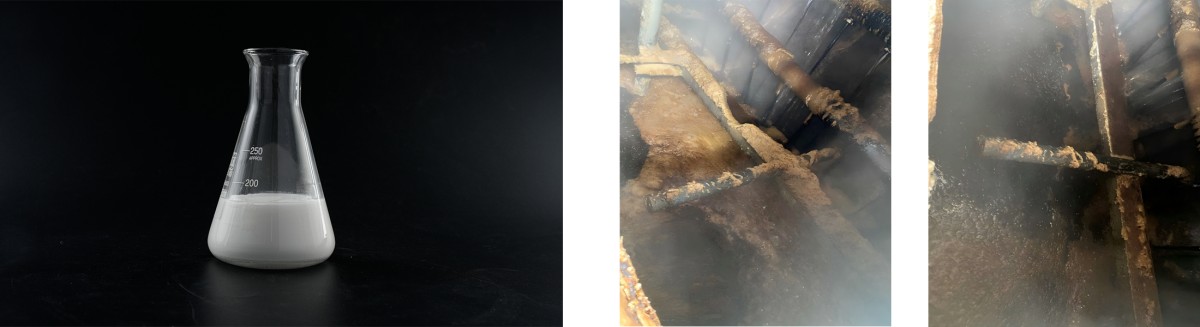
Non-Silicone Defoamer:
While we are a top silicone defoamer manufacturer, we also provide high-quality non-silicone alternatives. These are typically based on fatty alcohols or polyethers.
Minimally non-polluting: Leaves no "silicone spots" on the paper web.
Superior drainage performance: Improves water drainage from the wire mesh, thereby increasing paper machine operating speed.
Easy to handle: Highly compatible with other paper chemicals such as sizing agents and retention aids.
Typical applications: Fine paper production, coating, and wet end processes.
Quick Comparison Table
Why Choosing the Right Defoamer Supplier Matters?
The difference between a "good" and a "bad" batch of defoamer can be thousands of dollars in wasted paper. When you partner with a reliable defoamer supplier, you get:
Customized Formulations: Not all paper mills are the same. We adjust the emulsion stability based on your water hardness.
Technical Expertise: We don't just ship drums; we provide the dosage optimization your engineers need.
Frequently Asked Questions (FAQ)
Q: Will silicone defoamers cause fisheye or spots on paper?
A: This will only occur if the emulsion quality is poor. As a high-end silicone defoamer manufacturer, we use advanced microemulsion technology to ensure easy dispersibility in water.
Q: Which defoamer is more suitable for paper mill wastewater treatment?
A: Generally speaking, silicone defoamers are more suitable for wastewater treatment because they can handle a variety of chemicals and pH levels.