


CONTENTS
- What is a Defoamer? The Comprehensive Guide to Antifoaming Agents in Industrial Processes2026-01-21
- Technical Whitepaper: Optimizing Burst Index in Recycled Fiber Processing2026-01-21
- How to Dilute Silicone Defoamer: The Ultimate Guide for Effective Foam Control2026-01-14
- What is a Silicone Defoamer? (2026 Guide for Paper Mills)2026-01-07
- Silicone defoamers vs Non-silicone defoamers2026-01-07
What is a Defoamer? The Comprehensive Guide to Antifoaming Agents in Industrial Processes
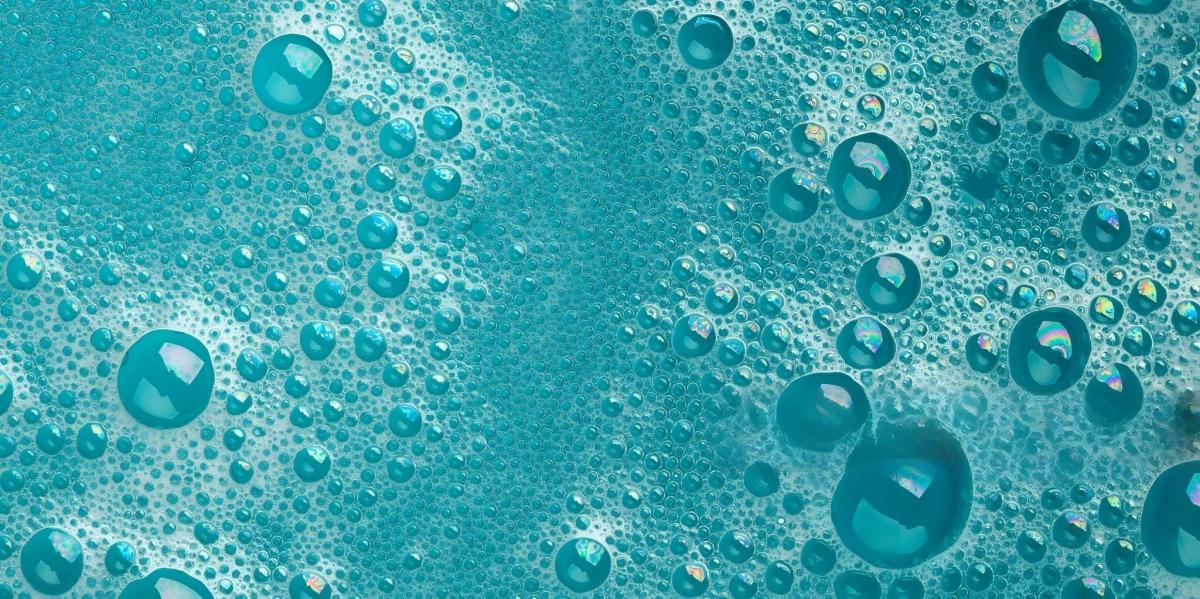
In modern industrial manufacturing, foam is more than just a visual nuisance—it is a costly operational bottleneck. From overflowing wastewater tanks to surface defects in premium coatings, uncontrolled foam reduces capacity, increases energy consumption, and damages sensitive equipment.
As a trusted global chemical supplier, GuanruChem understands that controlling foam requires more than a "one-size-fits-all" product. In this 2026 guide, we explore the science behind antifoaming, the specific industrial classifications, and the technical parameters you need to select the perfect solution for your process.
1. Defoamer vs. Antifoaming Agents: The Technical Distinction
While procurement officers often use these terms interchangeably, there is a fundamental technical distinction that affects how and when you apply them.
1.1 Antifoaming Agents (The Preventive Strategy)
Antifoaming agents are preventative. They are introduced into the process liquid before any foam is generated. Their primary function is to inhibit the formation of foam bubbles by reducing the liquid's surface tension, ensuring that stable bubbles cannot form.
1.2 Defoamers (The Reactive Strategy)
A defoamer is a reactive solution. It is added to a system where foam has already reached problematic levels. It works by rapidly spreading across the existing foam surface and causing the bubbles to rupture instantly.
2. The Science of Foam Control: How It Works
To effectively manage antifoaming in complex systems, a chemical agent must master the Entry-Spread-Rupture cycle—the gold standard of foam control science:
Entry (Entering the Film): The defoamer droplet must bridge the air-liquid interface of the foam bubble.
Spreading (The Displacement): Once the droplet enters, it must spread rapidly across the bubble wall (the lamella).
Rupture (The Collapse): By displacing the stabilizing surfactants, the defoamer creates a "weak spot" in the bubble wall, causing the bubble to collapse.
Technical Insight: For a deeper look into case-specific feasibility and successful industrial application stories, check out our detailed technical analysis on
3. Industrial Grade Comparison Table
Selecting the right agent depends on your specific environment. Below is a technical comparison of the three primary types provided by GuanruChem.
4. Deep Dive into Classifications
4.1 Silicone-Based Defoamers
These are the most powerful agents in our catalog. Because of their low surface tension and chemical inertness, they are ideal for harsh industrial environments like high-heat dyeing or chemical cleaning.
4.2 Oil-Based Defoamers
Consisting of a carrier oil and hydrophobic particles (like silica), these provide excellent "knock-down" performance without interfering with surface adhesion.
4.3 Water-Based Defoamers
These emulsions are designed for surface-level foam and entrained air release, perfect for high-gloss decorative paints.
5. Strategic Industry Applications
Wastewater Treatment: Preventing "foam-over" in aeration tanks and ensuring compliant discharge.
Paints & Coatings: Eliminating micro-foam during high-speed mixing to prevent pinholes in the dried film.
Pulp & Paper: Ensuring fast drainage in the headbox to maintain machine speed and paper strength.
6. Technical FAQ (Buying & Handling)
Q: Why does my defoamer lose efficiency over time?
This is often due to the "depletion" of active ingredients. In high-solid systems, defoamer particles are absorbed by the solids. We recommend incremental dosing.
Q: What is the "Shake Test"?
Fill a bottle halfway with your foaming liquid, add a drop of our agent, and shake. A high-quality antifoaming agent should collapse the foam within 5-10 seconds.
Q: Are silicone defoamers safe for membrane filtration?
In some ultra-filtration systems, silicone can cause fouling. For such cases, we suggest reviewing our
7. Why Partner with GuanruChem in 2026?
Custom Concentrations: Active content from 10% to 50% available.
Logistics Excellence: Global export in 25kg, 200kg, and 1000kg IBC tanks.
Technical Support: Free lab testing for precise ppm dosage.
8. Conclusion: Control Foam, Boost Your Bottom Line
Don't let foam reduce your production efficiency. Whether you need a preventative antifoaming strategy or an emergency defoamer for your plant, GuanruChem has the expertise to deliver results.
Take Action Today:
[Button: Request a Free 500g Sample]