


CONTENTS
- What is a Defoamer? The Comprehensive Guide to Antifoaming Agents in Industrial Processes2026-01-21
- Technical Whitepaper: Optimizing Burst Index in Recycled Fiber Processing2026-01-21
- How to Dilute Silicone Defoamer: The Ultimate Guide for Effective Foam Control2026-01-14
- What is a Silicone Defoamer? (2026 Guide for Paper Mills)2026-01-07
- Silicone defoamers vs Non-silicone defoamers2026-01-07
Technical Whitepaper: Optimizing Burst Index in Recycled Fiber Processing
Introduction: The Dilemma of Secondary Fiber Quality
For modern paper mills, the increasing reliance on recycled OCC (Old Corrugated Containers) and secondary fibers presents a significant technical hurdle. Each recycling cycle shortens fiber length and reduces the specific surface area available for hydrogen bonding. The result is a persistent decline in Burst Index and Ring Crush Strength, forcing many mills to compensate by increasing basis weight or adding expensive virgin pulp—both of which erode profit margins.
1. The Chemistry of Inter-fiber Bonding in Recycled Pulp
To address strength loss, we must look at the wet-end chemistry. In recycled systems, the accumulation of "anionic trash" and high conductivity often neutralizes traditional cationic starches, rendering them ineffective.
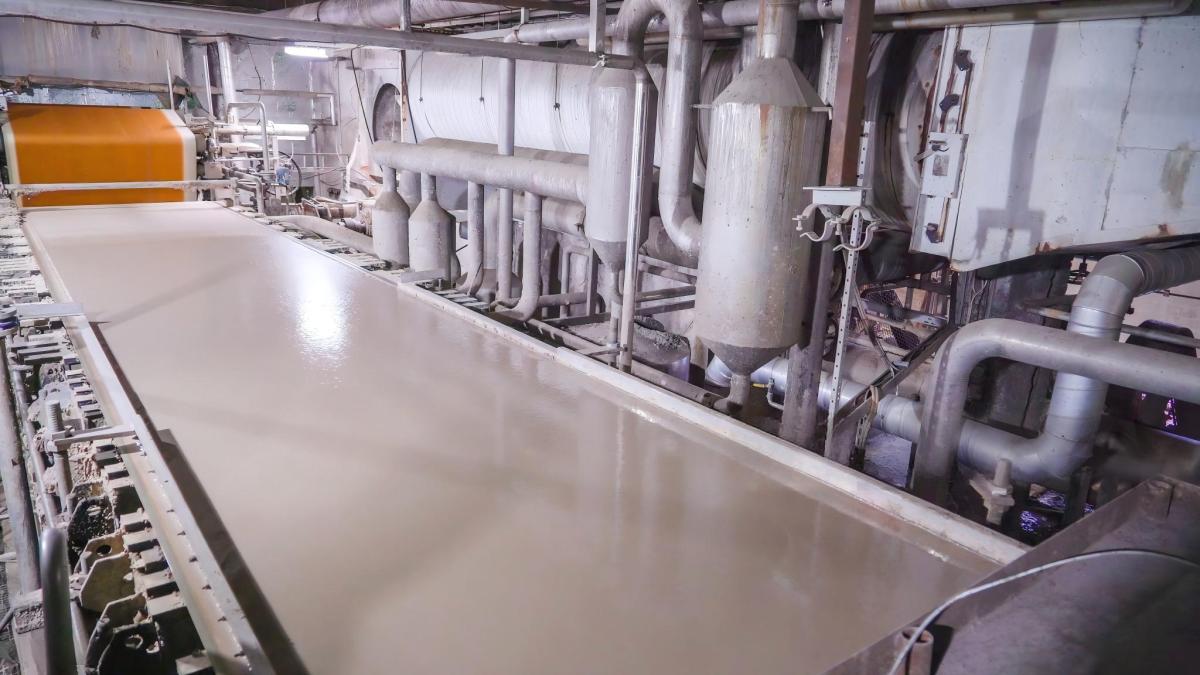
1.1Key factors affecting dry strength include:
Zeta Potential Stability: The balance of electrical charges in the pulp.
Fiber Fines Retention: The ability to keep short fibers within the paper web.
Hydration Potential: How well the fiber surfaces can swell and bond.
2. Troubleshooting Guide: Why Conventional Strength Additives Fail
Through field analysis at numerous mills, we’ve identified three primary reasons for suboptimal dry strength performance:
System Conductivity: High levels of dissolved salts in closed-loop water systems interfere with polymer chain expansion.
pH Fluctuation: Many additives are pH-sensitive; a shift of 0.5 can lead to massive "drop-out" of the chemical.
Dosage Sequence: Adding chemicals too close to high-shear zones (like the headbox pump) can shear the polymer chains before they can bind fibers.
3. Engineering Solution: The Role of Amphoteric PAM Technology
In high-demand environments, Amphoteric Polyacrylamide (Amphoteric PAM) has emerged as the industry standard for stabilizing the wet end. Unlike purely cationic or anionic resins, amphoteric structures contain both positive and negative charges on the same polymer chain.
3.1Technical Advantages:
Dual-Action Binding: It bridges anionic fibers and fillers while simultaneously managing the charge of the colloidal system.
Drainage Efficiency: It improves water removal on the wire, which indirectly enhances strength by allowing for better press-part consolidation.
4. Case Analysis: Targeted Improvement of Burst Index
In a recent technical optimization for a linerboard producer using 100% domestic recycled fiber, the goal was to increase the burst index from 2.0 to 2.5 kPa·m²/g without increasing refining energy.
4.1The Protocol:
Product Applied:
GR-9020 Amphoteric Dry Strength Agent Dosage: 6 kg/t (added to the thin stock).
Observation: Within 2 hours of stabilization, the burst index showed a linear increase. Furthermore, the first-pass retention (FPR) improved by 3%, leading to a cleaner white water system.
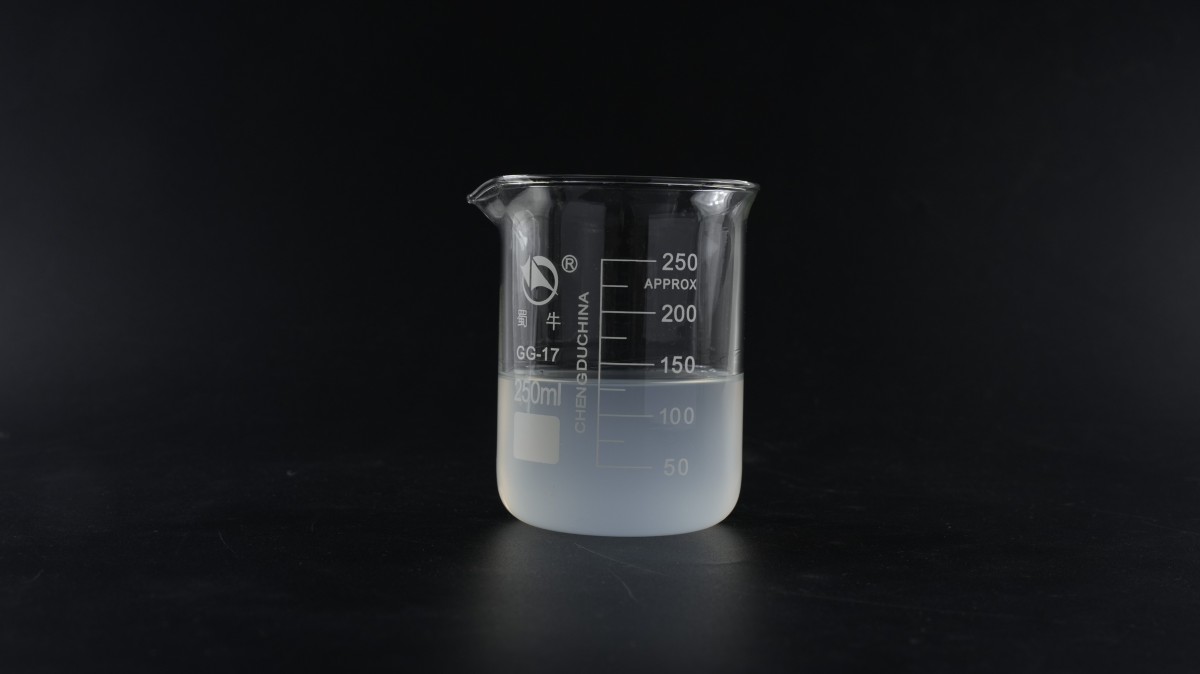
4.2Typical Parameters of GR-9020
5. Best Practices for Mill Managers in 2026
If you are currently evaluating your wet-end chemistry for the upcoming quarter, consider the following audit:
Conductivity Mapping: Measure your system's conductivity across different stages.
Starch Synergy: Check if your current dry strength agent can work alongside oxidized starch to reduce costs.
Lab Trialing: Always conduct a dynamic drainage jar (DDJ) test before full-scale machine trials.
6 . Technical Support & Documentation
At GuanruChem, our focus is on process stability. We provide detailed Technical Data Sheets (TDS) and on-site application support to ensure our chemical solutions align with your specific machinery and fiber source.
Need a Technical Consultation? Our engineering team can review your current pulp parameters.
Documentation: [Request the 2026 MSDS & Application Guide for GR-9020]
Direct Inquiry: For bulk logistics and Q1 pricing, please get in touch with our export department.