


CONTENTS
- EU REACH Tightens NPEOs Limit for Paper ImportsAug 09, 2026
- EU Enforces NPEOs Ban on Coated Paper ImportsAug 08, 2026
- EU REACH Restriction on NPEOs in Paper Coatings Takes EffectAug 07, 2026
- EU REACH Tightens Paper Chemical Rules From Aug. 15Aug 06, 2026
- ECHA Adds 3 SVHCs, Exporters Recheck DeclarationsAug 05, 2026
The Ultimate Guide to Polyacrylamide in Papermaking: Enhance Quality, Reduce Costs, and Choose the Right Supplier
In the highly competitive global paper industry, mill managers and engineers are constantly seeking ways to improve sheet quality while minimizing operational costs. One chemical stands out as the "backbone" of modern papermaking: Polyacrylamide (PAM).
Whether you are producing fine graphic paper, packaging board, or specialty tissue, understanding how to leverage PAM can be the difference between a high-yield operation and a wasteful one. This guide explores everything you need to know about PAM in the paper industry.
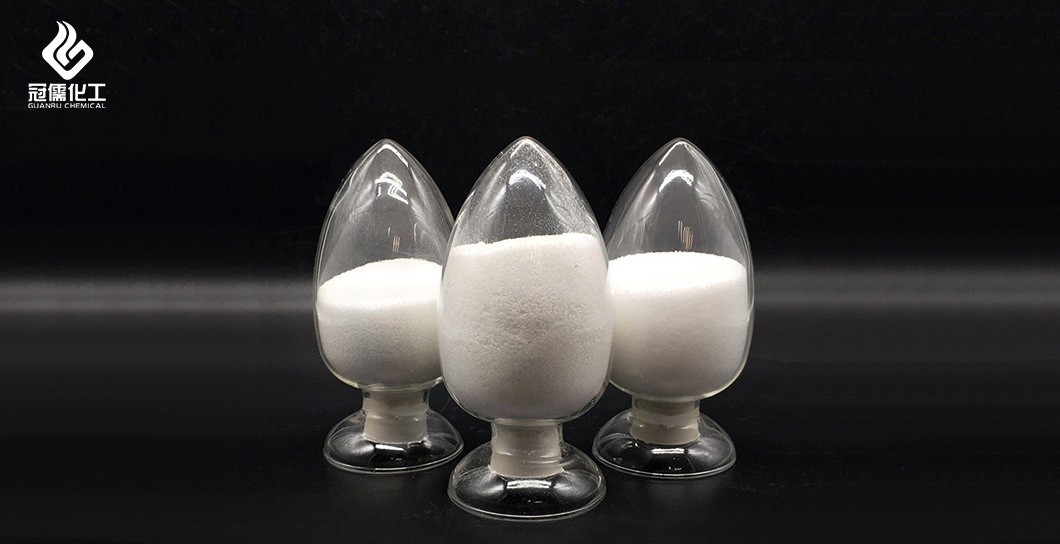
1. What is Polyacrylamide (PAM) and why is it Essential for Paper?
Polyacrylamide is a synthetic high-molecular-weight polymer. In the papermaking process, it acts primarily as a functional additive that manages the interaction between fibers, fillers, and water.
Due to its long-chain structure and various ionic charges, PAM can effectively bridge particles together or neutralize surface charges on cellulose fibers. In an era where recycled fiber (OCC) usage is increasing, and water systems are becoming more "closed," PAM’s role in maintaining system cleanliness and paper strength is more critical than ever.
2. Key Functions of PAM in the Papermaking Process
To optimize your production line, you must understand the three primary roles PAM plays:
2.1Retention and Drainage Aids (The Productivity Booster)
Retention is the ability to keep fines and fillers (like TiO2 or Calcium Carbonate) in the paper web rather than letting them wash away into the white water.
2.1.1How it works
High-molecular-weight Cationic Polyacrylamide (CPAM) creates a "bridging" effect, catching small particles and attaching them to larger fibers.
2.1.2The Benefit
Improved first-pass retention (FPR) means less raw material waste and a cleaner wet-end system. Faster drainage on the wire also allows for higher machine speeds and reduced steam consumption in the drying section.
2.2.Dry Strength Agent (The Quality Enhancer)
As mills use more recycled fibers, the inherent strength of the paper often drops. Anionic Polyacrylamide (APAM) or Amphoteric PAM can be used to enhance the hydrogen bonding between fibers.
2.2.1The Benefit
Increases burst factor, tensile strength, and folding endurance without increasing the basis weight of the paper.
2.3Wastewater Treatment and White Water Recovery
Paper mills consume vast amounts of water. PAM is the primary flocculant used in:
2.3.1Dissolved Air Flotation (DAF)
For clarifying white water.
2.3.2Sludge Dewatering
Transforming liquid waste into a high-solid cake for easy disposal.
3. Choosing the Right Type: CPAM vs. APAM vs. AmPAM
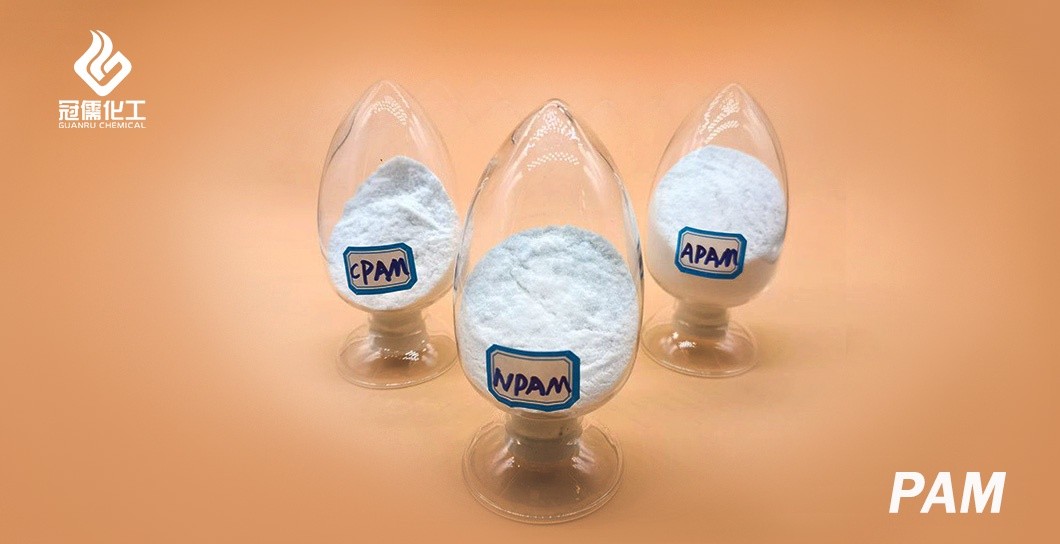
Pro Tip: The "Charge Density" (Ionization) and "Molecular Weight" are the two most important specs. A mill using high-recycled content typically requires a higher charge density CPAM to neutralize the "anionic trash" in the system.
4. How to Optimize PAM Usage to Reduce Operational Costs
Most mills overconsume chemicals due to inefficient dissolution or incorrect dosing points. To save costs:
Eliminate "Fish Eyes": Ensure your PAM powder is fully dissolved. Undissolved lumps (fish eyes) not only waste money but also cause spots on the paper sheet.
Strategic Dosing: For retention, PAM should typically be added after the pressure screen (high shear) to ensure the flocs remain intact as they encounter the wire.
Lab Testing (The Drainage Jar Test): Never choose a PAM based on price per kg. Choose it based on the price per ton of finished paper. A $2.5/kg PAM that requires 1kg/ton is cheaper than a $1.8/kg PAM that requires 2kg/ton.
5. Avoiding Common Pitfalls in PAM Application
Over-flocculation: Adding too much PAM can lead to "clumpy" fiber distribution, ruining the formation (look and feel) of the paper.
Water Chemistry: High hardness or high conductivity in your process water can "shrink" the PAM molecule, reducing its effectiveness. Regular water analysis is a must.
6. How to Identify a Reliable Polyacrylamide Supplier
When sourcing PAM for industrial-scale mills, your supplier should provide more than just a bag of chemicals. Look for:
Customized Formulations: Can they adjust the molecular weight based on your specific pulp type?
Technical Support: Do they have engineers who can perform on-site "Bottle Tests" or "Drainage Jar Tests"?
Consistency: B2B buyers need batch-to-batch stability. Ask for a COA (Certificate of Analysis) for every shipment.
Global Logistics: For international buyers, ensure the supplier has experience with maritime shipping and provides the necessary SDS/MSDS documentation.
7. Frequently Asked Questions (FAQ)
Q1: What is the typical dosage of Polyacrylamide in paper mills?
A: The dosage varies significantly depending on the paper grade and system conditions. Generally, for retention and drainage aids, the dosage ranges from 0.1kg to 0.5kg per ton of dry pulp. For sludge dewatering, it may increase to 1-3kg per ton. We always recommend a "Jar Test" to determine the most cost-effective dosage for your specific mill.
Q2: How long is the shelf life of Polyacrylamide powder?
A: When stored in a cool, dry, and ventilated environment in its original sealed packaging, PAM powder has a shelf life of 24 months. However, once dissolved into a liquid solution, it should be used within 24–48 hours, as the polymer chains begin to degrade and lose effectiveness.
Q3: Can I use Anionic PAM for sludge dewatering in paper mills?
A: In most paper mill wastewater systems, the sludge particles are negatively charged, meaning a Cationic Polyacrylamide (CPAM) is required for effective flocculation. However, in some specific chemical pulping processes, an Anionic or Amphoteric PAM might be used. A laboratory analysis of your sludge is necessary to confirm the correct charge.
Q4: Does PAM affect the recyclability of the paper?
A: No. Polyacrylamide is used in very low concentrations and becomes an integral part of the paper web or is removed during wastewater treatment. It does not interfere with the repulping or recycling process of the finished paper product.
Q5: Why is my PAM solution forming "fish eyes" during mixing?
A: "Fish eyes" are undissolved lumps that form when PAM powder hits water too quickly and clumps together. To avoid this, use a dry powder vacuum inductor or add the powder very slowly into the vortex of the stirring water. Ensure the stirring speed is sufficient but not so high that it shears the polymer chains.