


CONTENTS
- EU REACH Tightens NPEOs Limit for Paper ImportsAug 09, 2026
- EU Enforces NPEOs Ban on Coated Paper ImportsAug 08, 2026
- EU REACH Restriction on NPEOs in Paper Coatings Takes EffectAug 07, 2026
- EU REACH Tightens Paper Chemical Rules From Aug. 15Aug 06, 2026
- ECHA Adds 3 SVHCs, Exporters Recheck DeclarationsAug 05, 2026
U.S.-Iran Truce Collapse Disrupts Hormuz Shipping, Hits Chemical Importers
On April 8, 2026, the U.S.-Iran temporary ceasefire collapsed on its first day—triggering an Israeli airstrike on Hezbollah in Lebanon and Iran’s immediate closure of the Strait of Hormuz. This development has introduced acute delivery and compliance pressures for global chemical raw material importers, particularly those reliant on Chinese exports.
Event Overview
On April 8, 2026, a U.S.-Iran temporary ceasefire was breached within hours of taking effect. In response to an Israeli airstrike targeting Hezbollah positions in Lebanon, Iran announced the closure of the Strait of Hormuz. Brent and WTI crude oil futures surged over 2.5% that day. Commercial shipping through the strait halted; marine insurance premiums spiked; several container lines suspended services on Middle East routes. No further official statements regarding duration or conditions for reopening have been confirmed.
Industries Affected by Segment
Direct Trading Enterprises
Trading firms handling cross-border chemical shipments—especially those with contracts tied to Incoterms such as FOB Shanghai or CIF Dubai—are directly exposed to port congestion, vessel rerouting, and customs delays. The closure disrupts scheduled vessel departures and arrivals, increasing demurrage risk and complicating letter-of-credit timelines.
Raw Material Procurement Entities
Importers sourcing petrochemical intermediates (e.g., ethylene glycol, PVC resins, aromatics) from China face dual pressure: extended lead times (7–12 days average delay) and intensified origin verification at destination ports. Several countries—including Germany, South Korea, and the UAE—have activated enhanced scrutiny of certificates of origin and force majeure documentation for HS codes 27–39.
Processing & Manufacturing Companies
Downstream manufacturers using imported feedstocks—such as specialty polymer compounders or agrochemical formulators—must now assess inventory buffer adequacy and production line flexibility. Delays compound where just-in-time supply chains lack alternative sourcing lanes or local stockpiling capacity.
Supply Chain Service Providers
Cargo insurers, freight forwarders, and customs brokers report elevated demand for real-time route advisories, revised risk assessments, and pre-clearance support for chemical consignments. Documentation workflows now require additional layers of traceability validation—notably for dual-use indicators and upstream supplier attestations.
What Relevant Enterprises or Practitioners Should Monitor and Do Now
Track official maritime advisories and diplomatic updates
Monitor daily bulletins from the UK Maritime Trade Operations (UKMTO), U.S. Fifth Fleet, and the International Chamber of Shipping (ICS). Any formal re-opening notice will likely precede commercial resumption by 48–72 hours—and may include conditional routing requirements.
Review force majeure clauses and origin documentation readiness
Verify whether existing contracts recognize Strait of Hormuz closure as a qualifying event under force majeure provisions. Confirm availability of notarized origin declarations, factory production logs, and third-party logistics audit trails—especially for shipments flagged under EU Dual-Use Regulation Annex I or U.S. EAR Category 1.
Assess supplier contingency plans and Chinese factory responsiveness
Evaluate whether key Chinese suppliers maintain certified alternate export ports (e.g., Qingdao, Ningbo, or Guangzhou) with active chemical terminal capacity and current ICS-certified safety compliance. Prioritize suppliers with documented rerouting experience during prior Gulf disruptions (e.g., 2019–2020 tanker incidents).
Pre-validate customs classification and compliance pathways for priority SKUs
For high-volume or time-sensitive chemical SKUs, pre-submit binding tariff information (BTI) requests or advance rulings to major destination customs authorities (e.g., CBP, HMRC, KOREA Customs). Focus on items where HS code ambiguity could trigger extended examination or detention.
Editorial Perspective / Industry Observation
Observably, this incident functions less as an isolated disruption and more as a stress test for global chemical supply chain resilience—particularly for importers dependent on single-route, single-origin procurement models. Analysis shows that the Strait of Hormuz carries approximately 20% of globally traded seaborne chemical tonnage, with China-bound and China-exported cargoes accounting for over 35% of regional containerized chemical flows. Current developments are better understood as a near-term operational shock rather than a structural shift—but they do signal heightened geopolitical sensitivity around critical maritime chokepoints. From an industry perspective, sustained attention is warranted not only for Strait access but also for how national customs agencies interpret and enforce ‘origin continuity’ amid cascading transport interruptions.
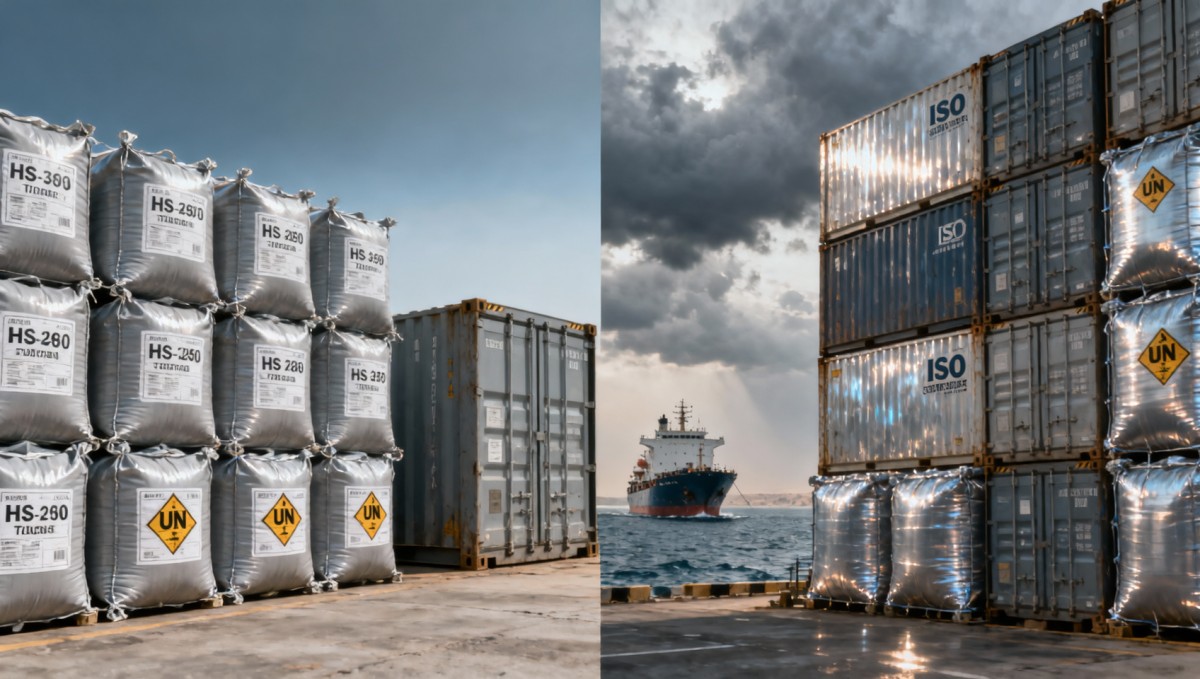
In summary, the April 8, 2026 breakdown of the U.S.-Iran truce—and its immediate impact on Hormuz transit—represents a concrete inflection point for chemical importers’ risk management frameworks. It does not yet indicate systemic rerouting or long-term trade diversion, but it does confirm that origin verification, documentation agility, and supplier contingency planning are no longer optional capabilities. The situation is best interpreted as a high-priority, short-duration escalation requiring tactical recalibration—not strategic overhaul.
Source Attribution: Confirmed reports from Bloomberg Commodities, Reuters Breakingviews, and the International Maritime Organization (IMO) Weekly Shipping Bulletin (Week of April 7–13, 2026). Ongoing developments—including potential Strait reopening timeline and expanded customs enforcement scope—remain under observation and will be updated as verified.