


BLOG
CONTENTS
- Brazil Mulls Doubling Tariffs on Low-Cost Paper ImportsAug 17, 2026
- China’s Paper Industry to Join Carbon Market in Phases, Raising Export Compliance PressureAug 16, 2026
- China’s Paper Sector to Enter the National Carbon Market in 2026, Raising Export Compliance PressureAug 15, 2026
- China Paper Exports Jump 92.5% in Jan-MayAug 14, 2026
- 欧盟PPWR今日生效,输欧纸基包装合规门槛抬升Aug 13, 2026
CIPTE 2026 Adds International Buyer Matchmaking in Wuhan
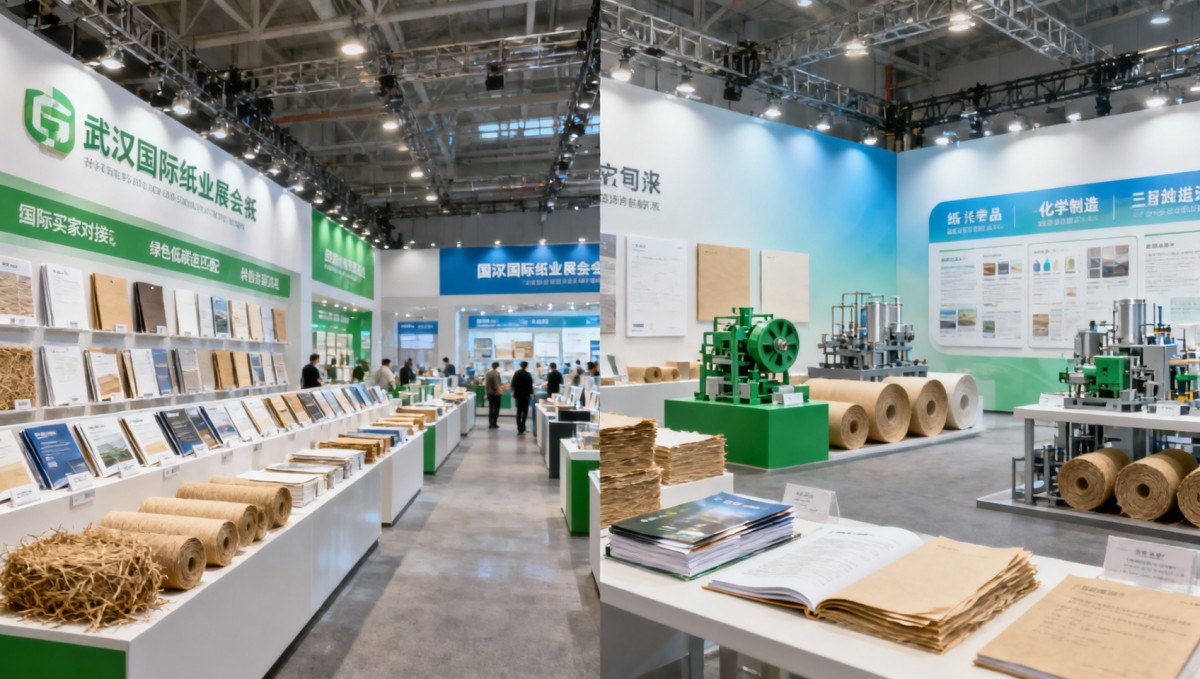
On September 16, 2026, attention in the paper and pulp sector turned to Wuhan as organizers confirmed that the 33rd China International Paper Technology Exhibition, CIPTE 2026, will run from September 16 to 18 at Wuhan International Expo Center with a new international buyer-supplier matchmaking area. For companies involved in sourcing, manufacturing, distribution, compliance review, and long-term supply-chain development, the update is worth watching because it shows a more structured attempt to connect overseas purchasing demand with Chinese suppliers inside a trade-show setting.
What Has Been Confirmed for CIPTE 2026
The event will take place in Wuhan from September 16 to 18, 2026, as the 33rd edition of CIPTE. According to the provided event summary, the exhibition will for the first time set up a dedicated domestic and international buyer supply-demand matchmaking zone. A "procurement demand wall" will be used to support more precise matching between overseas buyers and Chinese suppliers.
The event will also open a display area for innovation achievements related to the 14th Five-Year Plan period. Its exhibition scope covers the full pulp and paper industry chain as well as eight major categories including green and low-carbon solutions, intelligent manufacturing, and chemicals. The stated business focus includes product selection, factory audit needs, compliance evaluation, and the establishment of long-term supply-chain relationships for global importers, distributors, and channel partners.
Why Different Market Participants May Pay Attention
Export-oriented suppliers may face more direct buyer screening
From an industry perspective, suppliers targeting overseas business may see the clearest immediate relevance. The matchmaking area and procurement demand wall suggest a more explicit link between supplier presentation and buyer requirements. The impact is likely to be felt in product positioning, document readiness, and how suppliers present their ability to meet audit and compliance expectations.
Importers and distributors may gain a more structured sourcing setting
Analysis shows that overseas importers, distributors, and channel partners are among the most directly addressed audiences in this event design. For these participants, the main impact may fall on supplier comparison, early-stage qualification checks, and the efficiency of identifying potential long-term partners across multiple product and technology categories.
Equipment, chemicals, and solution providers may need clearer category messaging
Because the exhibition spans the entire pulp and paper chain and specifically includes green and low-carbon, intelligent manufacturing, and chemicals, companies serving these segments may need to pay close attention to how they align their offerings with buyer demand. The likely business effect is less about broad visibility alone and more about whether solutions can be communicated in terms that match procurement, audit, and supply-chain requirements.
Supply-chain and service teams may see stronger due-diligence expectations
Observably, the mention of factory audits, compliance evaluation, and long-term supply-chain relationship building means the relevance is not limited to sales teams. Service providers and internal teams handling documentation, qualification support, delivery coordination, and partner communication may also be affected, because these functions often shape whether an initial trade-show contact can move forward.
What Companies Should Watch Before the Event
Track how the matchmaking rules are described
What deserves closer attention is whether later official communications provide more detail on participation rules, matching criteria, or operating procedures for the buyer-supplier zone. That distinction matters because an announced matchmaking format and its actual execution can differ in practice.
Prepare materials for selection, audit, and compliance discussions
Given the stated focus on product selection, factory audits, and compliance evaluation, relevant companies should pay attention to the completeness and consistency of the materials they use in buyer communication. In practical terms, the issue is not only product presentation, but also whether supporting information is ready for qualification-oriented conversations.
Separate showcase value from transaction readiness
Analysis shows that the simultaneous opening of the innovation achievements display area may increase attention on technology and capability presentation. Even so, companies should distinguish between exhibition exposure and actual transaction readiness, especially where long-term supply-chain relationships require follow-up beyond an on-site meeting.
Review cross-functional coordination in advance
For businesses aiming to meet overseas buyers, procurement, sales, technical, compliance, and delivery-related teams may all need aligned messaging. The core point is that buyer interest, audit expectations, and long-cycle supplier development often move together rather than appearing as separate steps.
How This Update May Be Best Understood
Observably, this announcement is more meaningful as a market signal than as a completed commercial outcome. It indicates that organizers are placing more emphasis on structured international demand matching and on business discussions that go beyond display alone. At the same time, it does not by itself confirm transaction volume, partnership results, or a lasting shift in market structure.
From an industry perspective, the clearer takeaway is that the exhibition is positioning itself around practical sourcing and qualification needs across the paper industry chain. That makes the development relevant not only for exhibitors seeking exposure, but also for companies evaluating how trade platforms are increasingly tied to screening, compliance, and supplier relationship building.
A Practical Reading of the Signal
At this stage, it is more appropriate to understand the Wuhan event update as a near-term operational development with longer-term implications worth monitoring. The confirmed facts point to a more targeted interface between overseas purchasing demand and Chinese supply capacity, but the real industry effect will depend on how participation, matching, and follow-up are implemented during and after the event.
For companies in pulp, paper, chemicals, intelligent manufacturing, and related supply-chain functions, the development deserves attention not because it guarantees results, but because it highlights which business issues are being brought to the front: buyer selection efficiency, audit preparedness, compliance communication, and longer-horizon supplier engagement.
Basis of This Article
This article is based on the user-provided news title, event date, and event summary concerning CIPTE 2026 in Wuhan. For this type of industry update, commonly relevant source categories may include official event notices, company announcements, industry association information, authoritative media coverage, and standards-related documents. A specific official source link was not provided in the input, so further verification remains necessary. Continued attention should focus on any later official clarification regarding participation rules, matchmaking mechanisms, and the practical scope of buyer-supplier engagement at the event.