


BLOG
CONTENTS
- Brazil Mulls Doubling Tariffs on Low-Cost Paper ImportsAug 17, 2026
- China’s Paper Industry to Join Carbon Market in Phases, Raising Export Compliance PressureAug 16, 2026
- China’s Paper Sector to Enter the National Carbon Market in 2026, Raising Export Compliance PressureAug 15, 2026
- China Paper Exports Jump 92.5% in Jan-MayAug 14, 2026
- The EU's PPWR enters into force today, raising compliance thresholds for paper-based packaging exported to the EU.Aug 13, 2026
China Raises Pulp Export Tariff to Southeast Asia to 8.5%
Effective July 1, 2026, China has temporarily raised the most-favored-nation tariff rate on major industrial pulp products exported to ASEAN member states, including markets such as Vietnam, Thailand, and Indonesia. For companies involved in pulp exports, overseas procurement, customs processing, and quarterly budgeting, this is not just a price adjustment. It is a rule change with immediate implications for trade execution, document handling, and contract review across the supply chain.
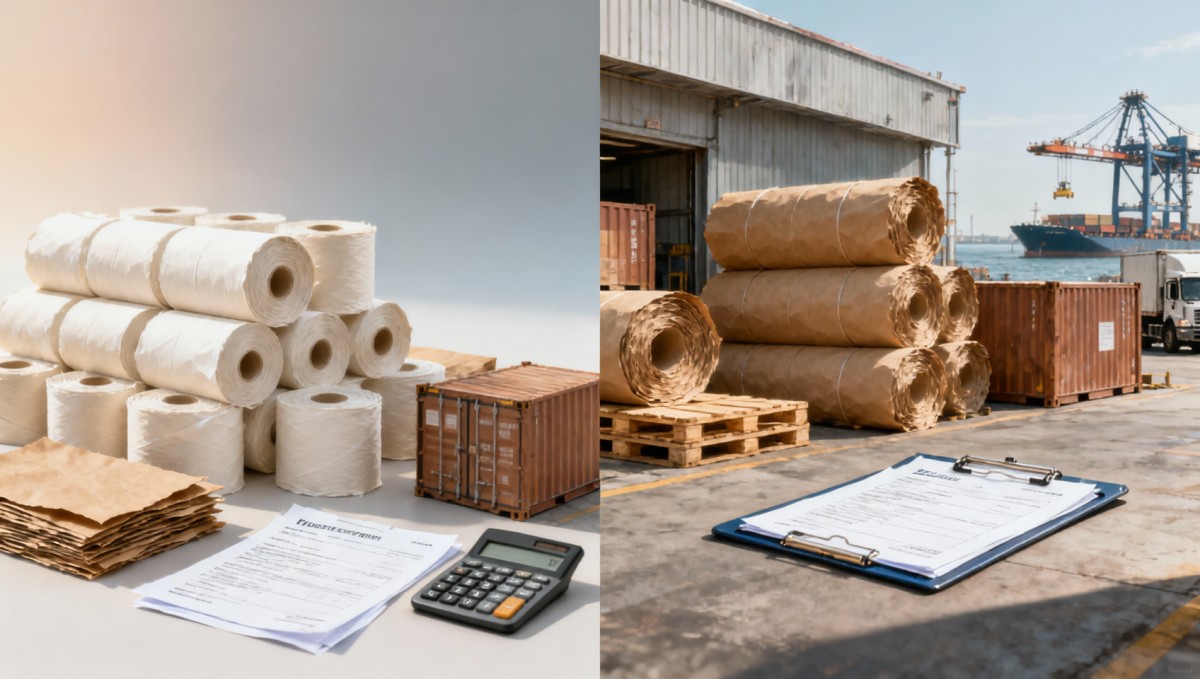
A six-month tariff adjustment now in force
According to an announcement issued by the General Administration of Customs of China on July 3, 2026, the tariff rate applicable from July 1, 2026 for exports to ASEAN member states on key industrial pulp products, including uncoated pulp and natural kraft pulp, has been temporarily increased from 6% to 8.5% for a period of six months.
The stated context for this adjustment is a trade-balancing measure taken in response to preliminary anti-dumping rulings by some members under the RCEP framework concerning paper products.
The event summary also indicates that the change directly affects overseas importers' procurement costs, customs clearance document preparation, and quarterly budget reassessment.
Where the immediate pressure is likely to appear
Export transactions may need repricing and document review
From an industry perspective, exporters handling the affected pulp categories are likely to face the most immediate operational impact. The reason is straightforward: a tariff rate change that has already taken effect can alter the cost basis of shipments, contract execution, and customer quotations. What deserves closer attention is whether shipment timing, declared product scope, and supporting customs documentation are aligned with the new rate now in force.
Overseas buyers face cost and budget adjustments
For importers and procurement teams in ASEAN markets, the most direct effect is on landed cost and near-term purchasing plans. Analysis shows that even a temporary six-month increase can require buyers to revisit quarterly budgets, reorder assumptions, and procurement timing. The practical focus is less on broad market speculation and more on whether existing purchase terms, invoice preparation, and customs filing documents still match the revised tariff treatment.
Supply chain service providers may see more execution checks
Logistics coordinators, customs brokers, and trade support teams may also be affected because tariff changes usually increase scrutiny around product classification, filing accuracy, and document completeness. Based on the confirmed information, the key concern here is not a new certification requirement, but the need for closer control over customs paperwork and shipment-related records tied to the affected pulp products.
Manufacturing users may need to revisit sourcing assumptions
Companies that use imported industrial pulp as an input may not be the first point of regulatory impact, but they can still be affected through procurement cost changes and delivery planning. Observably, manufacturers relying on these materials may need to monitor supplier notices, pricing revisions, and delivery commitments during the six-month adjustment window.
What companies should monitor during the adjustment window
Check whether affected product scope and filings are fully consistent
Analysis shows that companies should first confirm whether their exported or purchased products fall within the described categories such as uncoated pulp and natural kraft pulp, and whether internal shipment records, declarations, and commercial documents are consistent with that scope. This is especially relevant where customs preparation has been based on prior tariff assumptions.
Review contract terms and quarterly procurement assumptions
Because the event summary explicitly points to procurement cost pressure and budget reassessment, businesses should closely review pricing clauses, shipment schedules, and short-cycle purchasing plans. It is more appropriate to understand this as a practical trade execution issue rather than only a policy headline.
Follow later official wording and implementation practice
The confirmed facts establish that the tariff increase has taken effect and will last six months, but they do not provide more detailed implementation guidance. What deserves closer attention is any later official clarification on execution practice, filing treatment, or interpretive wording that could affect how businesses handle contracts and customs documents during this period.
Watch for downstream changes in tendering and commercial paperwork
Observably, companies involved in cross-border supply arrangements should also monitor whether customers, procurement teams, or service providers begin adjusting tender documents, quotation structures, or supporting trade paperwork in response to the new tariff environment. The current information does not confirm such outcomes, so this remains a monitoring point rather than an established result.
How this development is best understood at this stage
Analysis shows that this development should be read first as an implemented trade rule change, because the tariff adjustment is already effective from July 1, 2026 and has a defined six-month duration. At the same time, it is also a signal that market participants need to keep watching how the measure is applied in day-to-day trade operations, especially where customs documentation and procurement planning are concerned.
From an industry perspective, the event does not yet support broad conclusions about long-term market direction. It more clearly indicates a near-term compliance and execution issue shaped by a trade-balancing response within the context described in the official summary.
A short-term rule change with practical trade consequences
For the pulp trade linked to ASEAN destinations, the tariff move matters because it has already changed the operating assumptions for pricing, customs preparation, and budgeting. The most reasonable conclusion at present is that this is a landed rule change with immediate commercial implications, while the wider market response and execution details still require continued observation.
Basis of this article and points still requiring verification
This article is generated based on the user-provided news title, event date, and event summary. For developments of this type, commonly relevant source categories may include official announcements, regulator releases, customs or trade authority information, industry association updates, standard-setting documents, and reporting by authoritative media.
A specific official source link was not provided in the input, so the exact link should be further verified. Continued attention is also warranted on later policy clarification, implementation wording, customs practice, tender document changes, industry feedback, and how affected companies actually execute under the six-month tariff adjustment period.