


BLOG
CONTENTS
- Brazil Mulls Doubling Tariffs on Low-Cost Paper ImportsAug 17, 2026
- China’s Paper Industry to Join Carbon Market in Phases, Raising Export Compliance PressureAug 16, 2026
- China’s Paper Sector to Enter the National Carbon Market in 2026, Raising Export Compliance PressureAug 15, 2026
- China Paper Exports Jump 92.5% in Jan-MayAug 14, 2026
- The EU's PPWR enters into force today, raising compliance thresholds for paper-based packaging exported to the EU.Aug 13, 2026
South Asia Procurement Rules Tighten for Paper Packaging
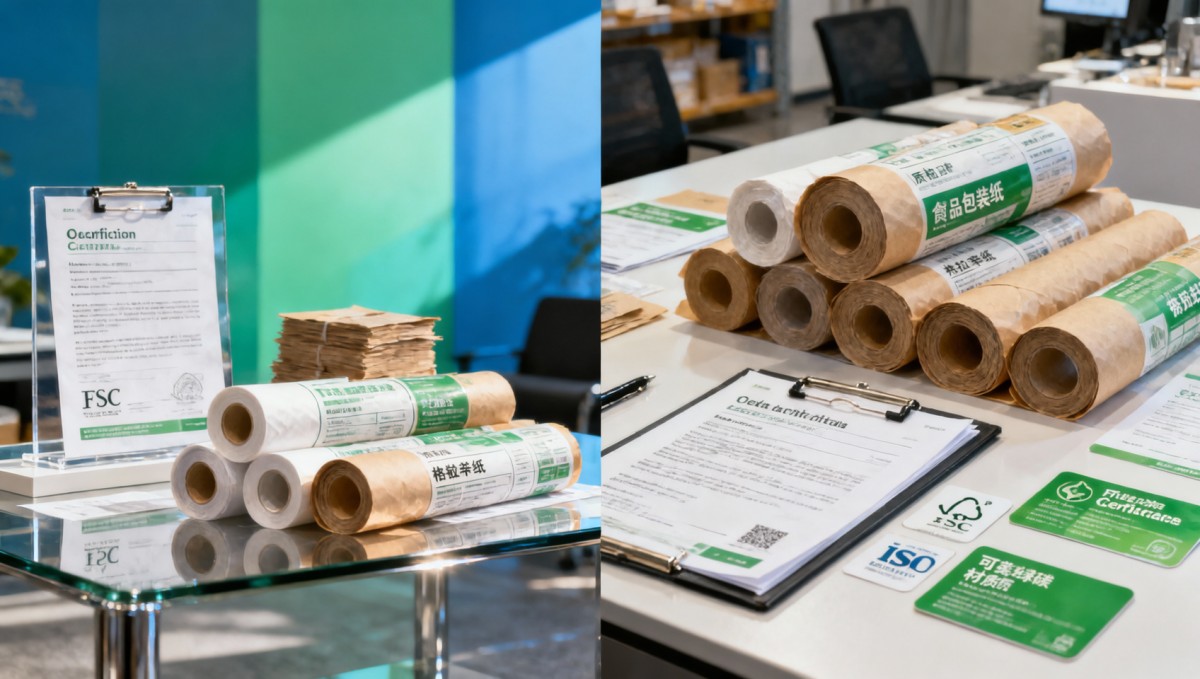
On June 11, 2026, a new procurement signal emerged from the 2026 South Asia International Public Procurement Conference in Kunming: procurement institutions tied to the UN system and South Asian government buyers released 2026–2027 priority sourcing categories and updated entry requirements for bidding. For suppliers, distributors, importers, and compliance teams involved in food packaging paper, medical packaging paper, glassine paper, and thermal label paper, the key issue is not only product demand, but also the clearer role of ISO 9001/14001, FSC/PEFC, and green low-carbon declarations as mandatory qualification conditions in public procurement participation.
What Was Formally Released at the Conference
From June 11 to 13, 2026, the 2026 South Asia International Public Procurement Conference was held in Kunming. According to the event information provided, procurement bodies including the United Nations Office for Project Services, UNICEF, the Asian Development Bank, and purchasing institutions from countries including Bangladesh and Nepal released priority procurement category lists and new market-entry rules for 2026–2027 at the conference.
The confirmed priority categories include food packaging paper, medical packaging paper, glassine paper, and thermal label paper. The same release also made clear that ISO 9001/14001, FSC/PEFC certification, and green low-carbon declarations are rigid bidding requirements for participation in the relevant procurement processes.
The information directly relates to qualification preparation, product compliance upgrading, and supply chain response timing for overseas distributors and importers seeking to participate in South Asian and UN-system tenders.
Where the Rule Change Reaches Along the Supply Chain
Bid access now depends more directly on documentation readiness
From an industry perspective, the most immediate impact falls on companies planning to enter or remain in public procurement channels. For exporters, overseas distributors, and importers, the updated rules shift attention from price and supply capability alone to whether qualification files can satisfy mandatory bidding conditions at the outset. This means certification status, declaration completeness, and consistency between bid documents and actual product scope are likely to become more sensitive points in tender preparation.
Manufacturing and converting operations face a stronger compliance link
For paper and packaging manufacturers, the announced requirements matter because the listed product categories are specific rather than generic. Analysis shows that where a product is positioned for food-related, medical-related, label, or release-paper applications, compliance preparation may need to align more closely with the intended procurement use scenario. The practical effect is likely to appear in document control, internal quality management alignment, certification maintenance, and the ability to present supporting materials in a tender-ready format.
Certification and verification service providers may see tighter timing demands
For certification-related businesses and testing or document-support service providers, the change is relevant because ISO 9001/14001, FSC/PEFC, and green low-carbon declarations were highlighted as rigid thresholds rather than optional value-added materials. Observably, this can affect the timing of certificate review, scope confirmation, supporting-document preparation, and coordination between production sites, exporters, and bidding entities.
Supply chain coordination becomes part of procurement eligibility
For logistics and supply chain service participants, the update matters less as a transport issue alone and more as a delivery-readiness issue linked to compliant procurement participation. If qualification, product documents, and supply commitments are not synchronized, the impact may appear in bidding schedules, order response speed, and delivery planning for cross-border procurement projects.
What Companies Should Watch Next
Check whether current certificates match the target bid scope
Analysis shows that companies targeting these tenders should first review whether existing ISO 9001/14001 and FSC/PEFC certifications are current, applicable, and consistent with the actual products and manufacturing entities being offered. The key point is not merely holding a certificate, but ensuring that the certification presentation can support the specific bid submission context.
Prepare green low-carbon declarations with caution
Because the event information identifies green low-carbon declarations as a rigid threshold, what deserves closer attention is how companies organize supporting statements and internal evidence for such declarations. Since no detailed execution format was provided in the input, this should be treated as an area requiring continued monitoring rather than an already standardized filing practice.
Track tender wording for the listed paper categories
For businesses active in food packaging paper, medical packaging paper, glassine paper, and thermal label paper, it is more appropriate to follow how future tender documents describe technical scope, qualification wording, and submission requirements for each category. The current information confirms procurement focus and entry conditions, but does not provide full tender specifications or document templates.
Align compliance timing with supply planning
Observably, firms involved in South Asia or UN-system bidding should also watch the sequencing between qualification updates and supply chain commitments. Where certification renewal, declaration preparation, and shipment planning are not aligned, the commercial risk may arise less from product availability than from missing tender timing or incomplete submission files.
Why This Looks Like an Execution Signal, Not Just Event News
Analysis shows that this development is better understood as a practical procurement signal rather than a general conference headline. The reason is that the released information combines two concrete elements at once: named priority paper packaging categories and explicit mandatory entry requirements. That combination matters to the market because it affects who is in a position to bid, not only what may be purchased.
At the same time, it would be premature to treat the announcement as a fully closed rule framework for every tender pathway. Observably, the market still needs to watch for later procurement documents, implementing language, certification interpretation, and buyer-side application practices before drawing broader conclusions about execution consistency.
How the Market May Best Read This Development
The current update is most appropriately understood as a clear compliance-oriented procurement signal for the 2026–2027 cycle in the relevant South Asian and UN-linked purchasing channels. It points to a firmer connection between product category inclusion and documentary eligibility, especially for paper packaging suppliers seeking access to public tenders.
From an industry perspective, the significance lies less in short-term publicity and more in the need for earlier qualification preparation, clearer document discipline, and closer coordination across certification, export, and delivery functions. The market impact still requires observation at the tender-document and implementation level, but the direction of entry requirements has already become more visible.
Basis of This Article and What Still Needs Verification
This article is generated on the basis of the user-provided news title, event date, and event summary. For developments of this kind, commonly relevant source types may include official announcements, releases by procurement or regulatory bodies, trade or customs authority information, industry association notices, standard-setting organization documents, and reporting by established media outlets.
No specific official source link was provided in the input. For that reason, the detailed official text, later implementation wording, certification application standards, changes in tender documents, industry feedback, and actual company execution still need to be verified on an ongoing basis.