


BLOG
CONTENTS
- Pulp and Paper Defoamer Selection Guide: How to Choose a Suitable Foam Control SolutionJun 22, 2026
- The difference between water treatment defoamers and polyether defoamersApr 13, 2026
- Defoamer For Wastewater TreatmentApr 13, 2026
- Industrial Paper Strength Solutions: Technical Guide to Dry and Wet Strength AdditivesApr 07, 2026
- Optimizing Paper Sizing Performance with Grade A AKD Wax 1840 and High-Polymer EmulsionApr 02, 2026
How Bubbles Form in a Paper Mill and Ways to Fix Them
When foam forms in your paper mill, it creates significant challenges. Foam makes it difficult to keep fibers in place, leading to tiny holes and rough surfaces on your paper. The presence of foam also increases your energy bills, as pumps have to work harder. Chemicals become less effective, and hydrophobic particles can accumulate, causing contamination. All these issues disrupt your operations and can damage your product’s reputation. To address these problems quickly and effectively, you need defoamer agents and antifoaming agents. These solutions help control foam formation, ensuring your process runs smoothly and your paper quality remains high.
Key Takeaways
Bubbles in paper mills can make paper weak. This can cause customers to complain. You should act fast to find and remove trapped air.
Pick the right defoamer to stop foam. Some types work better in certain parts of making paper.
Keep machines in good shape. Fix leaks and check equipment often. This prevents air from entering the pulp and forming bubbles.
Watch your process carefully. Use control charts to see changes. This helps you find problems early and keep things running well.
Talk to suppliers and experts for help. They can help you choose the best defoamer. They can also help you make better paper.
How Bubbles Form in a Paper Mill

Knowing how bubbles form in your paper mill helps you control your process. If you find out where bubbles start, you can stop them early. Let’s see the main ways bubbles show up in your system.
Air Entrapment in Pulp
Air can get stuck in the pulp as it moves through your mill. When you pour pulp onto the forming fabric, air bubbles can slip in and stay in the mix. These bubbles do not go away on their own. They move with the pulp and end up in your finished paper.
Air Bubbles: Light spots in a sheet caused by bubbles of air that form in the stock on a Fourdrinier wire (forming fabric) and are entrained in the stock as it cascades in trays and channels.
You might see these bubbles as light spots or weak spots in your paper. If you do not fix them, your paper will not be as good, and customers may complain. You should act quickly to get rid of trapped air and keep your paper strong and smooth.
Chemical Additives and Reactions
You use many chemical additives in your paper mill to make better paper. Some of these chemicals can actually help bubbles form. The wrong mix of additives can make it harder for air to leave. That is why you must pick your chemicals carefully and watch how they work together.
Here is a quick look at how some common additives affect bubble formation:
When you add defoamers, you lower the surface tension in your pulp. This helps air bubbles join together and float to the top, where you can remove them. You get a better coating, so your paper looks and prints better. If you skip this step, bubbles will stay and ruin your paper.
Defoamers lower surface tension, so air bubbles can escape.
They help small bubbles join into bigger ones, which rise and break more easily.
Using the right defoamer improves your coating, print, and gloss.
Mechanical Agitation Issues
Mechanical agitation is another big reason bubbles form in your paper mill. When you mix or pump pulp, you add energy to the system. This energy can pull air into the pulp, especially if your equipment has leaks or is not working right.
Leaky seals on pumps let air sneak into the pulp.
The paper machine always has water, air, and mixing—perfect for foam.
Mixing machines and pumps can trap air, making bubbles that stay in the pulp.
If you use machines like pneumatic micro-bubble flotation devices, you get high processing and save energy. But if you do not take care of these machines, they can add even more bubbles to your system.
When you mix mechanical agitation with chemical additives, you make it easy for foam and bubbles to form. Bubbles trap air in the pulp, slow down drainage, and make your machine run slower. If you want your paper mill to work well, you must control both your machines and your chemicals.
By knowing these causes, you can stop bubbles from forming in your paper mill. This keeps your paper strong, smooth, and ready for your customers.
Problems Bubbles Cause in Paper Mills
Paper Quality Defects
Bubbles in your paper mill can ruin the quality of your final product. When bubbles get trapped in the pulp or coating, they create weak spots and visible flaws. You might notice light spots, holes, or rough patches on the paper. These defects make your paper look unprofessional and can lead to customer complaints.
Here is a quick look at common defects caused by bubbles:
You may also see air streaks under the top sheet of a parent roll. These often happen when the moisture profile is off or web tension increases. If you do not address these issues, your paper will not meet industry standards. Operators in every form, paper mill must check for bubbles and use tools like low-power microscopes to tell bubbles apart from other problems, such as craters or dirt.
Tip: Always inspect your paper closely. Accurate identification of bubbles helps you fix the root cause and avoid repeated defects.
Production Inefficiencies
Bubbles do not just harm your paper—they slow down your entire operation. When foam builds up, your machines have to work harder. Pumps and screens can clog, and drainage slows down. This means you spend more time and energy making each batch of paper.
You may face these problems:
Increased downtime for cleaning and repairs
Higher energy costs due to overworked pumps
More waste as you discard defective paper
Slower production rates
If you let bubbles form in your paper mill, you risk missing deadlines and losing profits. By controlling bubbles, you keep your machines running smoothly and your customers happy.
Solutions: Defoamers and Process Control
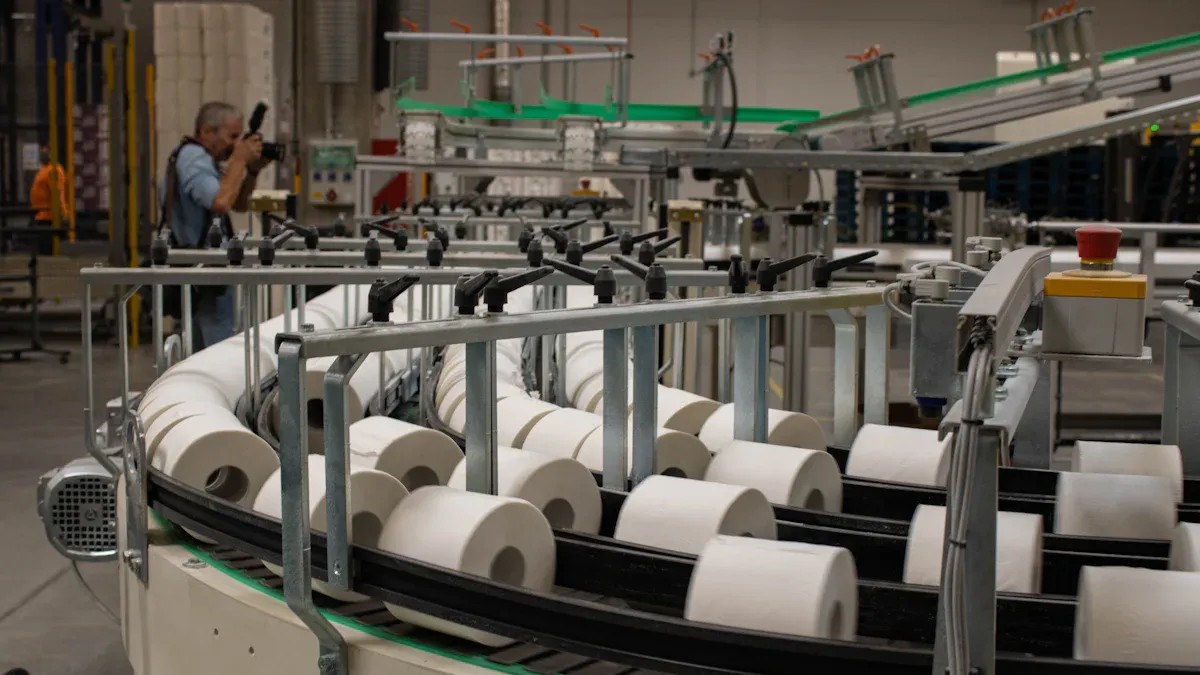
You want your paper mill to work well. Bubbles and foam can mess up your paper. They also slow down your machines. You can fix these problems with the right defoamer agent. Smart process control helps too. Let’s see how you can pick the best solution and keep things running smoothly.
Choosing the Right Defoamer
You need to choose a defoamer that fits your needs. Each kind works best in different parts of the form, the paper mill process. Here are the main types and what they do:
Silicone Defoamers: These work in tough places. They handle high heat and strong chemicals. You can use them in pulp mills to help with washing and make more paper.
Polyether Defoamers: These are gentle and mix with water. They work in water-based systems and keep your paper good.
Mineral Oil Defoamers: These stay strong in hard jobs. They work in reactors and cleaning with strong chemicals.
Non-Silicone Defoamers: These break down easily and are safe for water. They help you follow green rules.
Fatty Alcohol Defoamers: These work fast and last long. You can use them in paper machines to lower the air and help water drain.
Match the defoamer to your process step. Use water-based silicone defoamers in pulp mills. Use fatty alcohol or glycol-based ones in paper machines. For coating, add a little to stop streaks and problems. In waste treatment, pick a defoamer that controls foam and keeps water safe.
If you want to see products, visit guanruchem.com’s defoamer products. You will find choices for every part of your paper mill.
When you pick a defoamer, think about these things:
Rules matter too. You need defoamers that are safe for nature and people. These help you follow water rules and lower chemical oxygen demand (COD) and biochemical oxygen demand (BOD).
Think about the environment. Pick defoamers that lower spills and pollution. Make sure you throw away leftovers the right way. Many new defoamers are safe and help you follow the rules.
Defoamers do more than stop foam. They help you make paper faster and better. You get fewer mistakes, less waiting, and happier customers.
Tip: The right defoamer agent can change your process. You will see smoother work and better paper every day.
Process Adjustments and Monitoring
You can stop bubbles before they start by changing your process and watching key things. Watching all the time helps you catch problems early and keep things smooth.
If you spot changes early, you can fix problems fast.
Making your mix better gives you a smoother coating and fewer bubbles.
Controlling important things lowers the chance of bubbles.
You can use control charts to watch your process over time. These charts show changes, so you know when something is wrong. By setting limits, you keep your process steady and avoid surprises.
Use control charts to show process data.
Watch for changes that mean trouble.
Set limits to keep your process safe.
When you watch your system, you can change chemical amounts, mixing speeds, and heat. This keeps the foam down and your paper good.
Equipment Maintenance
Your machines need regular care to stop bubbles and foam. Good care keeps your machines working and your process smooth.
Stop oil leaks to keep your mill working well.
Fix steam leaks to avoid water problems.
Use seals to keep water away from bearings.
Check drainage systems for holes or leaks.
Look at heat exchangers to stop water mixing with oil.
Defoamers help at every step. They stop foam during pulping, sizing, coating, and waste treatment. You get even sizing and better coating. In waste treatment, defoamers break foam for safe water.
Check your key machines often. Here are some smart ways:
If you keep your machines in good shape, you lower bubble problems and keep your form, paper mill working its best.
Note: Defoamer agents and anti-foaming agents are your best tools for fighting foam. Use them with smart process control and regular care for the best results.
You can trust defoamers to help you make better paper. Pick the right product, change your process, and take care of your machines. Your paper mill will work better, and your customers will see the difference.
You get bubbles in your paper mill from trapped air, chemical changes, and mixing machines. These bubbles make your paper weaker and slow down your work. If you find bubbles fast and use the right defoamer or anti-foaming agent, your process stays smooth. A team that fixes machines and watches data can catch problems early. For the best results, talk to suppliers and experts who help you pick products and show you how to use them.
Suppliers give you new ideas and help you solve problems.
Experts teach you how to use defoamers the right way.
Special defoamers help your paper stay the same and save money.
Start now to make your paper better and your mill faster.
FAQ
What is a defoamer, and why do you need it in a paper mill?
A defoamer is a chemical that stops foam from forming. You need it to keep your paper smooth and strong. It helps your machines work better and saves money on repairs. Using a defoamer makes your paper faster to make and better in quality.
How do you choose the best defoamer agent for your process?
Pick a defoamer that fits your system and the problem you have. Think about what part of the process you are in. Silicone, polyether, and fatty alcohol defoamers work well in paper mills. Ask your supplier for help to get the best one.
Can anti foaming agents help with wastewater treatment in your mill?
Yes! Anti-foaming agents break up foam in wastewater tanks. This gives you cleaner water and helps you follow the rules. You can avoid big fines. Pick a product made for industrial water systems for the best results.
How often should you add defoamer to your paper mill process?
Check foam levels every day. Add defoamer when you see foam or machines slowing down. Regular checks keep your system working well and stop problems in your paper.
Will using a defoamer agent affect your paper’s print quality?
No. The right defoamer makes your paper’s surface better. You get nicer prints, fewer marks, and a smoother look. Always follow what your supplier says for the best results.