


CONTENTS
- Pulp and Paper Defoamer Selection Guide: How to Choose a Suitable Foam Control SolutionJun 22, 2026
- The difference between water treatment defoamers and polyether defoamersApr 13, 2026
- Defoamer For Wastewater TreatmentApr 13, 2026
- Industrial Paper Strength Solutions: Technical Guide to Dry and Wet Strength AdditivesApr 07, 2026
- Optimizing Paper Sizing Performance with Grade A AKD Wax 1840 and High-Polymer EmulsionApr 02, 2026
Pulp and Paper Defoamer Selection Guide: How to Choose a Suitable Foam Control Solution
Factory supply price
Low residue and low deposit riskFoam control plays an important role in modern pulp and paper manufacturing. From pulping, pulp washing, and bleaching to paper machine operation, white water circulation and wastewater treatment, excessive foam can reduce production efficiency, increase chemical consumption, cause overflow, and affect paper quality.
As paper mills continue to use high-speed paper machines, recycled fiber systems, and stricter environmental treatment processes, choosing a suitable pulp and paper defoamer has become important for stable production and cost control. A well-matched paper industry defoamer can help reduce foam-related downtime, improve drainage, reduce paper defects and support smoother mill operation.
This article explains where foam commonly occurs in paper mills, how different types of defoamers work, and how to select a suitable defoamer for pulp and paper applications.

1.Why Foam Control Matters in Pulp and Paper Production
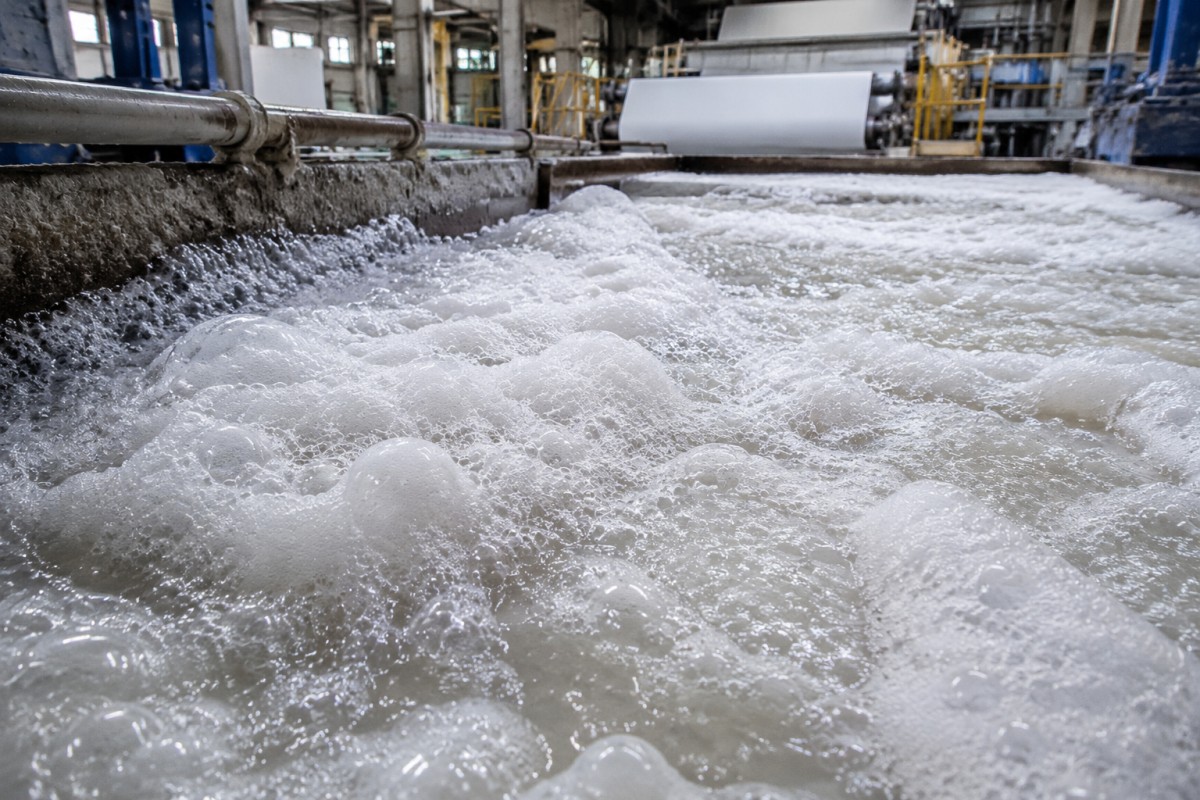
Foam is not only a surface problem in pulp and paper production. It can trap air in the system, interfere with fiber movement, reduce washing efficiency and affect chemical reactions. If foam is not controlled properly, paper mills may face unstable production, lower paper quality and higher operating costs.
Common foam-related problems include:
Reduced pulp washing efficiency
Slower drainage on paper machines
Overflow in tanks, chests and circulation systems
Increased chemical consumption
Paper defects such as spots, holes and uneven formation
Lower wastewater treatment efficiency
More frequent maintenance and downtime
Therefore, selecting a suitable antifoam for paper making is an effective way to improve process stability and reduce foam-related production risks.
2.Where Does Foam Commonly Occur in Paper Mills?
Foam can appear at different stages of papermaking. Each process has different foam sources, operating conditions and chemical environments. For this reason, one single defoamer may not be suitable for all stages of the production line.
2.1.Main Foam Generation Points in Paper Mills
3.Common Types of Defoamers Used in the Paper Industry
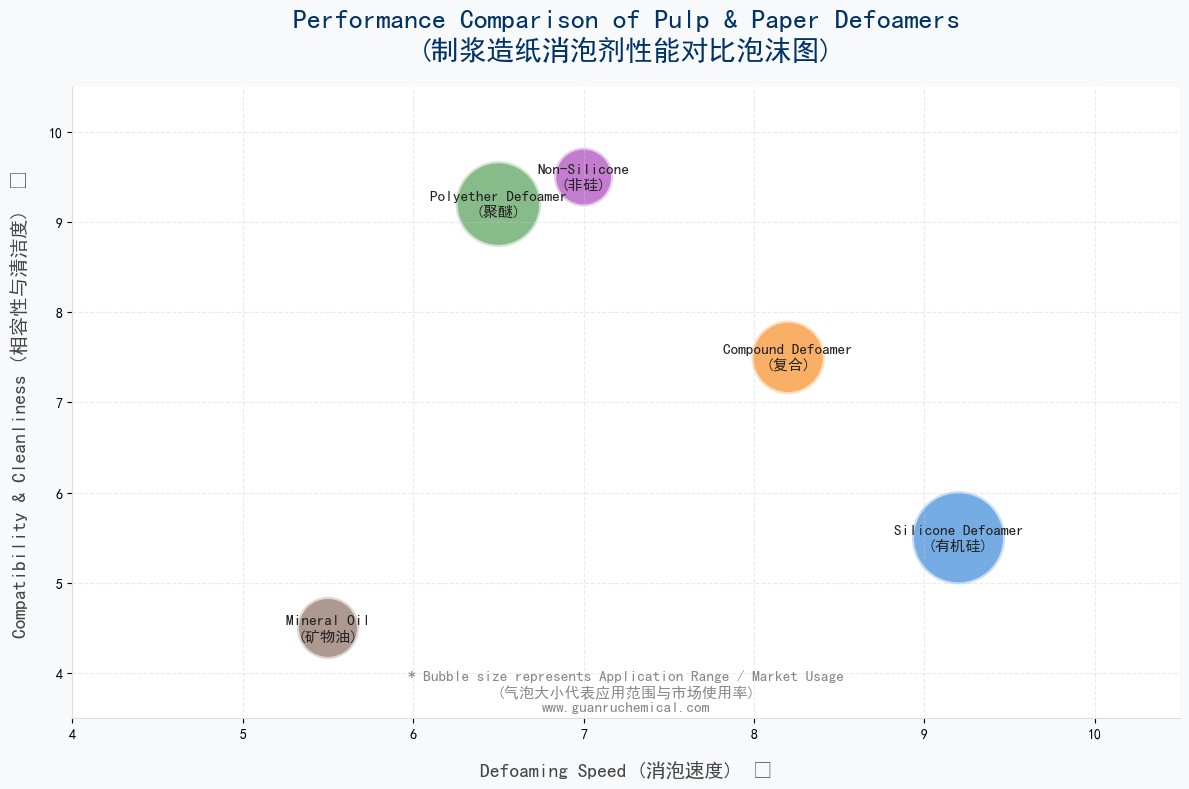
Different paper mills require different foam control chemistries. Commonly used products include silicone defoamers, polyether defoamers, mineral oil defoamers, non-silicone defoamers and compound defoamers.
3.1.Silicone Defoamer for Paper Machine Systems
Silicone defoamer for paper machine applications are widely used because they provide fast foam knockdown and strong foam suppression. They are suitable for high-speed paper machines and white water circulation systems where foam needs to be controlled quickly.
Main advantages include:
Fast foam elimination
Strong defoaming power at low dosage
Suitable for high-speed circulation systems
Long-lasting foam suppression
Suitable for paper machine defoamer applications
However, dosage control is important. Excessive use of silicone defoamer may cause deposits, silicone spots or compatibility problems in some sensitive systems. Therefore, paper mills should work with an experienced defoamer supplier for pulp and paper industry.
3.2.Polyether Defoamer for Pulp Washing and Wastewater
Polyether defoamer for pulp washing is often used in pulp processing, washing, bleaching and wastewater treatment because of its good compatibility and low-residue characteristics.
Main advantages include:
Good compatibility with water-based systems
Low residue and low deposit risk
Suitable for pulp washing and bleaching
Good dispersibility in wastewater treatment
Lower risk of paper surface defects
Compared with silicone-based products, polyether defoamers may have slower initial foam knockdown. However, they are often preferred in systems where compatibility and cleanliness are important.
3.3.Compound Defoamer for Recycled Paper Production
Recycled paper systems usually contain inks, surfactants, adhesives, fillers and other impurities. These contaminants can form stable and persistent foam that is difficult to control with a single-component product.
A customized defoamer for recycled paper or defoamer solution for recycled pulp system is often recommended for this situation.
Main advantages include:
Balanced foam knockdown and foam suppression
Better adaptability to complex contaminants
Suitable for recycled pulp and deinking processes
Can be customized according to process conditions
Helps improve machine runnability
3.4.Non-Silicone Defoamer for Sensitive Paper Systems
For specialty paper, coating systems or silicone-sensitive applications, a non-silicone defoamer for paper can be considered. It helps reduce the risk of silicone spots and surface defects while maintaining foam control performance.
Non-silicone defoamers are commonly used when paper mills require cleaner performance, better compatibility with coatings or lower surface contamination risk.
4.Silicone Defoamer vs Polyether Defoamer: How Should Paper Mills Choose?
There is no universal defoamer for all papermaking systems. A suitable foam control agent for paper mill depends on the process stage, foam type, water quality, temperature, pH value and other chemical additives.
5.How to Choose a Suitable Defoamer for Pulp and Paper Applications
Choosing a suitable defoamer for pulp and paper requires technical evaluation. Paper mills should not only compare product price, but also consider dosage, compatibility, system cleanliness and long-term operating cost.
5.1.Identify the Foam Source
Foam caused by pulp washing is different from foam caused by recycled fiber contaminants or wastewater aeration. Identifying the foam source helps determine the suitable defoamer chemistry.
5.2.Check System Temperature and pH
Some defoamers perform better in alkaline conditions, while others are more stable in neutral or acidic systems. Temperature also affects dispersibility and foam suppression performance.
5.3.Evaluate Compatibility with Papermaking Chemicals
The selected defoamer should be compatible with retention aids, sizing agents, starch, dyes, fillers, coating additives and other wet-end chemicals.
5.4.Consider Deposit and Spot Risk
For high-quality paper or specialty paper production, low-residue performance is important. A poorly selected antifoam may cause oil spots, silicone spots or machine deposits.
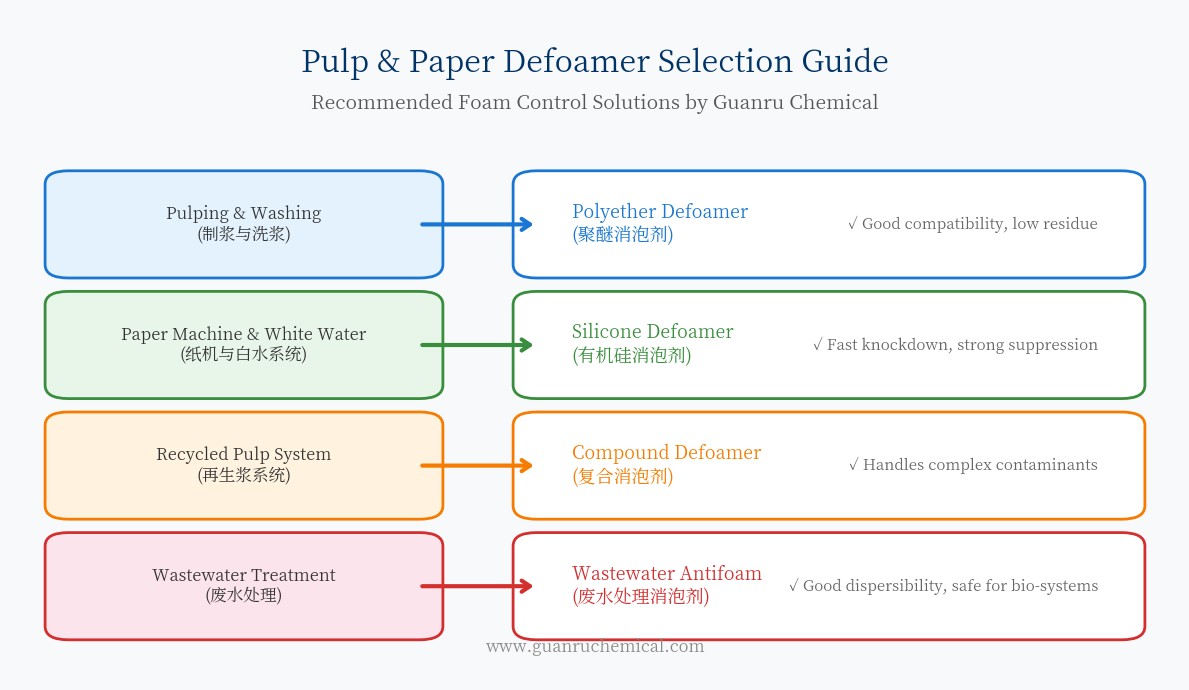
6.Recommended Defoamer Selection by Application
6.1.For Virgin Pulp Systems
Recommended product: polyether defoamer for pulp washing or non-silicone defoamer.
Virgin pulp systems usually require good compatibility, low residue and stable performance. Polyether-based defoamers can help improve washing efficiency and reduce foam without affecting fiber quality.
6.2.For Recycled Paper Production
Recommended product: compound defoamer for recycled paper.
Recycled paper production involves complex contaminants such as ink, glue, surfactants and fillers. Compound antifoam solutions provide better adaptability to changing foam conditions.
6.3.For High-Speed Paper Machines
Recommended product: antifoam for wastewater treatment or polyether defoamer.
Wastewater foam is often related to biological activity, surfactants and aeration. The selected defoamer should disperse well and have limited impact on biological treatment systems.
7.Common Problems Caused by Incorrect Defoamer Selection
Using an unsuitable defoamer can create new problems instead of solving foam issues. Common risks include:
Insufficient foam suppression
Higher chemical dosage and increased cost
Silicone spots or oil spots on paper
Poor drainage and unstable paper formation
Deposits on wires, felts, tanks and pipelines
Reduced paper quality
Unstable wastewater treatment performance
Increased downtime and maintenance cost
This is why professional product selection and technical support are important when purchasing industrial defoamer for paper mill applications.
8.Guanru Chemical Solutions for Pulp and Paper Mills
Guanru Chemical provides high-performance pulp and paper defoamer solutions for paper mills, recycled pulp plants, wastewater treatment systems and industrial foam control applications.
Our technical team can recommend suitable products according to your process stage, foam condition, temperature, pH value, water quality and chemical system.
8.1.Pulp and Paper Defoamer
Guanru Chemical offers silicone defoamers, polyether defoamers, non-silicone defoamers and compound antifoam solutions for different papermaking processes.
Typical applications include:
Pulp washing defoamer
Bleaching system defoamer
paper machine defoamer
white water system defoamer
Deinking process antifoam
Wastewater treatment antifoam
8.2.Polyacrylamide PAM for Paper and Wastewater Treatment
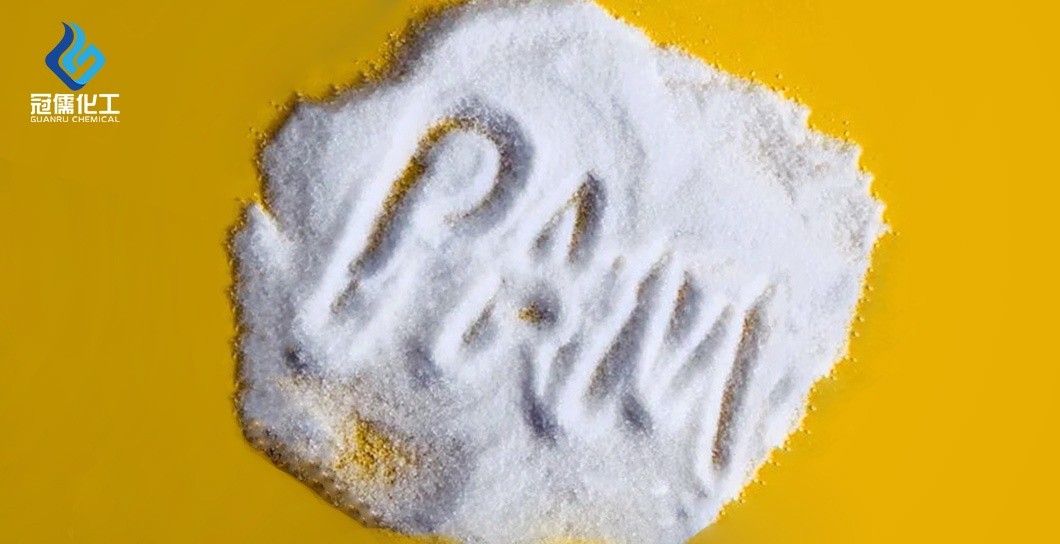
In addition to defoamers, Guanru Chemical supplies polyacrylamide PAM products for sludge dewatering, retention improvement, drainage enhancement and wastewater clarification.
Guanru Chemical PAM products help improve solid-liquid separation efficiency, reduce sludge moisture content and support lower wastewater treatment costs.
9.Why Choose Guanru Chemical as Your Pulp and Paper Defoamer Supplier?
As a professional defoamer manufacturer for pulp and paper industry, Guanru Chemical focuses on efficient, stable and customized foam control solutions for industrial customers.
Our advantages include:
Experience in industrial foam control
Product range covering silicone, polyether and compound defoamers
Customized formulation for different paper mill systems
Stable product quality and factory supply
Technical support for product selection and dosage optimization
Sample testing support
Solutions for pulp and paper, wastewater, textile, coating and construction industries
10.Get a Customized Defoamer Solution for Your Paper Mill
Every paper mill has different foam problems. The suitable defoamer depends on raw material, process stage, water quality, temperature, pH value and current chemical additives.
If you are looking for a reliable supplier of defoamer for pulp and paper industry, Guanru Chemical can provide product recommendations and sample testing support.
Contact Guanru Chemical to get:
Product recommendation based on your process
Sample available for testing
Customized antifoam formulation
Factory supply price
Response within 24 hours
Technical guidance for dosage and application
Please send us your foam problem details, process stage, pH value, temperature and current chemical system. Guanru Chemical technical team will recommend a suitable defoamer solution for your pulp and paper production system.
11.FAQ: Defoamer for Pulp and Paper Industry
11.1.What is a pulp and paper defoamer?
A pulp and paper defoamer is a chemical additive used to eliminate and control foam during pulping, washing, bleaching, papermaking, white water circulation and wastewater treatment.
11.2.Which defoamer is suitable for paper machine white water systems?
For white water systems, silicone defoamer for paper machine is commonly used because it provides fast foam knockdown and sustained foam suppression.
11.3.Is polyether defoamer suitable for pulp washing?
Yes. Polyether defoamer for pulp washing is widely used because it offers good compatibility, low residue and stable performance in water-based pulp systems.
11.4.What defoamer can be used for recycled paper production?
For recycled paper systems, compound defoamer for recycled paper is often used because it can handle foam caused by ink, adhesives, surfactants and recycled fiber contaminants.
11.5.Can defoamer be used in papermaking wastewater treatment?
Yes. Antifoam for wastewater treatment is commonly used in aeration tanks, clarification systems and biological treatment processes to reduce foam and improve treatment stability.
11.6.How can I choose a suitable defoamer for my paper mill?
You can provide process stage, foam condition, temperature, pH value, pulp type and current chemical additives. Guanru Chemical will recommend a suitable defoamer for pulp and paper based on your actual production conditions.
12.Conclusion
oam control is an important part of improving pulp and paper production stability. Choosing a suitable paper industry defoamer can help reduce overflow, improve drainage, reduce paper defects, stabilize wastewater treatment and lower operating risks.
Whether you need silicone defoamer for paper machine, polyether defoamer for pulp washing, compound defoamer for recycled paper or customized foam control agent for paper mill, Guanru Chemical can provide product support and technical guidance.
Contact Guanru Chemical today to get a suitable defoamer solution for your pulp and paper production line.