


BLOG
CONTENTS
- Deepak Phenolics India Shutdown Causes Global Phenol ShortageApr 23 2026
- 200+ Chinese Chemical Plants Suspend Quotations Amid Supply UncertaintyApr 23 2026
- Polyacrylamide (PAM) for Wastewater Treatment: The Complete Flocculation GuideJan 20 2026
- The Ultimate Guide to Polyacrylamide in Papermaking: Enhance Quality, Reduce Costs, and Choose the Right SupplierJan 19 2026
- The Unique Strengths of Precious Metal CatalystsNov 14 2025
Deepak Phenolics India Shutdown Causes Global Phenol Shortage
On April 3, 2026, Deepak Phenolics’ Dahjek plant in India halted full operations—cutting 330,000 tonnes/year of phenol, 220,000 tonnes/year of acetone, and AMS production—due to a supplier’s force majeure declaration on propylene. This event is now driving immediate ripple effects across global phenol supply chains, with particular relevance for exporters, downstream formulators, and procurement teams in Asia, Europe, and Southeast Asia.
Event Overview
Effective April 3, 2026, Deepak Phenolics suspended all production at its Dahjek facility—including phenol (330 kt/yr), acetone (220 kt/yr), and alpha-methylstyrene (AMS) units. The company cited force majeure invoked by its propylene supplier as the sole stated cause. Between April 21–22, 2026, exporters based in East and South China reported a 200% surge in inbound export inquiries for phenol from European and Southeast Asian buyers. Several Chinese suppliers confirmed initiating emergency production scheduling and securing maritime container slots.
Industries Affected by Segment
Direct Trading Enterprises
Trading firms handling bulk phenol exports face tightened spot availability and compressed lead times. With Indian supply offline and demand concentrated in short windows, price discovery has become more volatile—and arbitrage opportunities are narrowing due to rapid freight booking and limited vessel space.
Raw Material Procurement Teams
Buyers sourcing phenol for resin, nylon, or pharmaceutical intermediates are encountering extended quotation cycles and fewer alternative suppliers willing to commit beyond 4–6 weeks. The absence of Deepak’s volume—representing ~5% of global phenol capacity—means reduced buffer stock flexibility, especially for import-dependent regions like ASEAN and parts of Southern Europe.
Downstream Processing Manufacturers
Producers of phenolic resins, bisphenol-A, caprolactam, and acetone-based solvents may experience upward pressure on input costs and potential minor production delays if they rely on spot-market phenol or dual-sourced regional supply. No production halts have been reported yet, but margin compression is emerging where fixed-price contracts do not index to feedstock volatility.
Supply Chain & Logistics Service Providers
Freight forwarders and port agents in Shanghai, Ningbo, and Guangzhou report heightened requests for urgent container allocation and priority customs clearance for phenol shipments. Vessel space on key Asia–Europe and Asia–ASEAN routes is being booked earlier than usual—often 10–14 days ahead of loading—indicating tightening operational bandwidth.
What Stakeholders Should Monitor and Do Now
Track official updates from Deepak Phenolics and its propylene supplier
The duration and scope of the force majeure remain unconfirmed. Any revision—such as partial restart, alternate feedstock sourcing, or revised timeline—will directly impact near-term supply elasticity. Monitor press releases and regulatory filings, not just trade news summaries.
Focus on phenol-specific logistics readiness—not just pricing
With inquiry volume up 200%, actual fulfillment depends on shipping capacity. Exporters should verify container availability, ISPS compliance for hazardous cargo, and port-specific documentation timelines—before confirming orders. Delayed bookings risk missing May shipment windows.
Review contract terms for force majeure pass-through clauses
Importers using long-term phenol agreements should assess whether their contracts allow cost adjustments or delivery extensions when upstream disruptions occur. Those without such provisions may absorb increased procurement costs—or face supply gaps if alternatives are unavailable.
Validate inventory buffers against current lead times
Procurement managers should cross-check current safety stock levels against confirmed lead times from active suppliers—not historical averages. As of April 22, 2026, average confirmed phenol delivery from Chinese ports has extended from 21 to 30+ days for non-premium customers.
Editorial Observation / Industry Perspective
This incident is better understood as an acute supply shock—not a structural shift—though its duration will determine downstream impact. Analysis来看, the scale of the outage (330 kt/yr phenol) represents a meaningful but not decisive share of global capacity (~4.8% based on 2025 total estimated output). From industry角度看, the speed and concentration of buyer response (200% single-day inquiry spike) signals low spare capacity and high substitution inflexibility in key derivatives markets. Current更值得关注的是 whether this triggers secondary rationing—e.g., preferential allocation to long-term contract holders—or accelerates regional procurement diversification efforts outside traditional Asian-Indian-EU corridors.
It is not yet evidence of systemic fragility, but it does highlight how tightly coupled global phenol logistics have become—and how quickly localized feedstock disruptions propagate. Continued monitoring is warranted, particularly for any follow-up statements regarding AMS or acetone unit status, which could affect adjacent solvent and polymer markets.
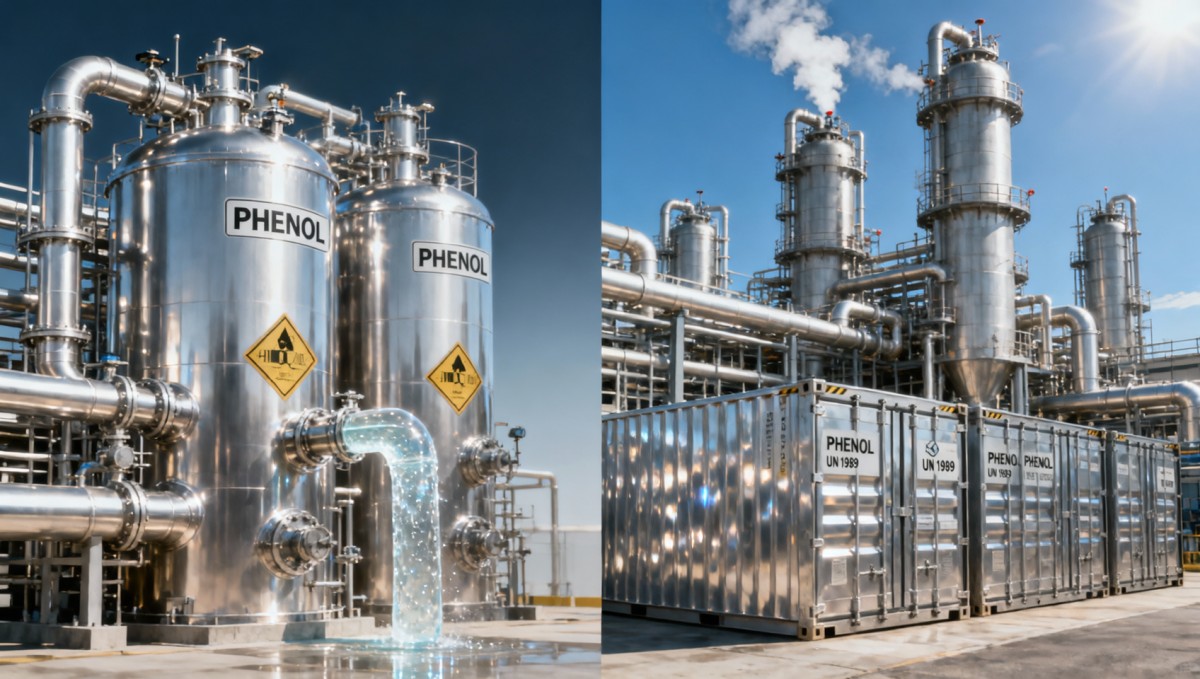
In summary, the Deepak Phenolics shutdown is a timely reminder that phenol supply remains operationally concentrated and logistically sensitive. Its primary significance lies not in permanent capacity loss, but in exposing real-time dependencies across procurement, transport, and contractual frameworks. For stakeholders, this episode underscores the value of scenario-aware sourcing—not just cost-optimized sourcing—and reinforces why lead time visibility now carries equal weight to price benchmarking.
Source: Confirmed reports from April 3 and April 21–22, 2026, including official operational notice from Deepak Phenolics (as cited in trade channels), and verified export inquiry data from three independent Chinese phenol trading firms headquartered in Shanghai and Guangzhou. Ongoing developments—including force majeure duration, restart plans, or third-party supplier disclosures—remain under observation and are not yet confirmed.