


CONTENTS
- Brazil Mulls Doubling Tariffs on Low-Cost Paper ImportsAug 17, 2026
- China’s Paper Industry to Join Carbon Market in Phases, Raising Export Compliance PressureAug 16, 2026
- China’s Paper Sector to Enter the National Carbon Market in 2026, Raising Export Compliance PressureAug 15, 2026
- China Paper Exports Jump 92.5% in Jan-MayAug 14, 2026
- The EU's PPWR enters into force today, raising compliance thresholds for paper-based packaging exported to the EU.Aug 13, 2026
Brazil Imposes Preliminary Anti-Dumping Duty on Chinese Decorative Paper
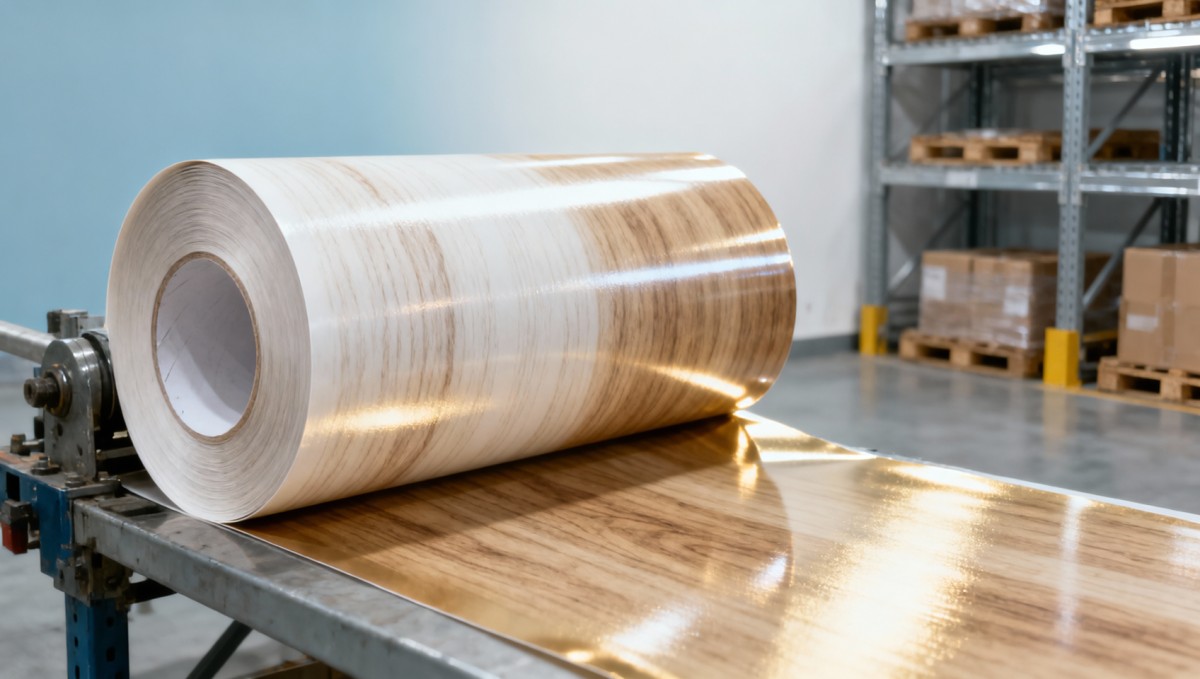
On March 27, 2026, Brazil’s Secretariat of Foreign Trade (SECEX) issued Notice No. 22, delivering a preliminary affirmative determination in its anti-dumping investigation against decorative paper originating from China (Mercosur tariff code 4805.91.00). While no provisional duties are currently imposed, the final determination deadline has been extended to 18 months from the date of立案 (initiation). This product is widely used in furniture manufacturing, construction materials, and surface lamination for exported wood products — drawing close attention from EU, U.S., and Middle Eastern buyers. The case carries implications for trade compliance, origin certification, and customs clearance strategies across Latin America and Southeast Asia.
Event Overview
On March 27, 2026, SECEX published Notice No. 22, announcing a preliminary affirmative finding in the anti-dumping investigation concerning Chinese decorative paper under Mercosur tariff code 4805.91.00. The notice confirms that the investigation remains ongoing, with the final determination scheduled no later than 18 months after initiation. No provisional duties are levied at this stage.
Industries Affected
Direct Exporters
Companies exporting decorative paper from China to Brazil face heightened regulatory scrutiny. Though no immediate duties apply, the preliminary finding signals increased risk of retroactive liability if a final duty is imposed. Impact includes potential delays in customs clearance, greater documentation requirements, and pressure to substantiate pricing and cost structures during verification.
Downstream Manufacturers (Furniture & Building Materials)
Firms using Chinese decorative paper as input for finished goods destined for Brazil may encounter downstream compliance reviews. If the final ruling imposes duties, Brazilian importers could shift sourcing or request revised commercial terms — affecting order volumes, lead times, and margin stability for upstream Chinese suppliers.
Third-Party Logistics & Customs Service Providers
Service providers supporting cross-border shipments of decorative paper must now prepare for enhanced documentation checks, including origin declarations, invoices with granular cost breakdowns, and possible requests for production records. Their role in facilitating compliant submissions becomes more operationally critical.
Export-Oriented Trading Companies
Trading firms handling multi-market distribution (e.g., supplying both Brazilian and regional markets like Mexico or Chile) may face spillover effects: Brazilian customs practices could influence how other Mercosur members interpret origin claims, especially where shared supply chains exist.
What Stakeholders Should Monitor and Do Now
Track Official Updates and Procedural Deadlines
Stakeholders should monitor SECEX announcements for any changes to hearing dates, submission windows for defense arguments, or extensions beyond the 18-month statutory limit. The next key milestone is the issuance of the preliminary determination report, which may include findings on injury, causation, and margin calculations — all relevant to risk assessment.
Review Product Classification and Origin Documentation
Companies should verify whether their decorative paper falls precisely within tariff code 4805.91.00 — including substrate composition, coating type, and intended end-use. Concurrently, audit existing origin documentation (e.g., Form A, CO, or self-certification statements) to ensure alignment with Brazilian customs expectations ahead of possible post-ruling audits.
Distinguish Between Policy Signal and Operational Impact
The preliminary finding is not yet binding. Analysis shows it functions primarily as a procedural step indicating sufficient evidence to continue the investigation — not confirmation of dumping or imminent duty collection. Businesses should avoid premature operational shifts (e.g., full supplier replacement) but initiate scenario planning for possible outcomes.
Begin Assessing Alternative Sourcing and Compliance Pathways
Current more appropriate actions include mapping alternative supply options (e.g., ASEAN-based converters or domestic Brazilian laminators), evaluating feasibility of local value-add to strengthen origin claims, and preparing internal compliance briefings for sales and logistics teams. These steps support responsiveness without assuming final outcome.
Editorial Perspective / Industry Observation
Observably, this preliminary determination is best understood as a compliance signal rather than an enforcement outcome. It reflects growing scrutiny of mid-value-added paper products in Mercosur markets — particularly those integrated into higher-value downstream exports like furniture. From an industry perspective, the case may serve as a precedent for origin-related due diligence in non-EU/US destinations, where customs authorities increasingly reference WTO-consistent anti-dumping frameworks when reviewing documentation. Its broader significance lies less in immediate tariff impact and more in how it reshapes expectations around traceability, cost transparency, and supply chain resilience for export-oriented manufacturers.
Conclusion: This preliminary anti-dumping finding does not alter current import conditions for Chinese decorative paper into Brazil, but it introduces measurable procedural and strategic uncertainty. It is more appropriately interpreted as an early-stage regulatory checkpoint — one that warrants structured monitoring and preparatory action, rather than reactive operational change. For stakeholders, sustained attention to official timelines and documentation integrity remains the most pragmatic priority.
Source: Brazil’s Secretariat of Foreign Trade (SECEX), Notice No. 22, dated March 27, 2026.
Note: The final determination timeline, scope of product coverage, and potential duty rates remain subject to further official communication and are under continuous observation.