products
‹
›
‹
›
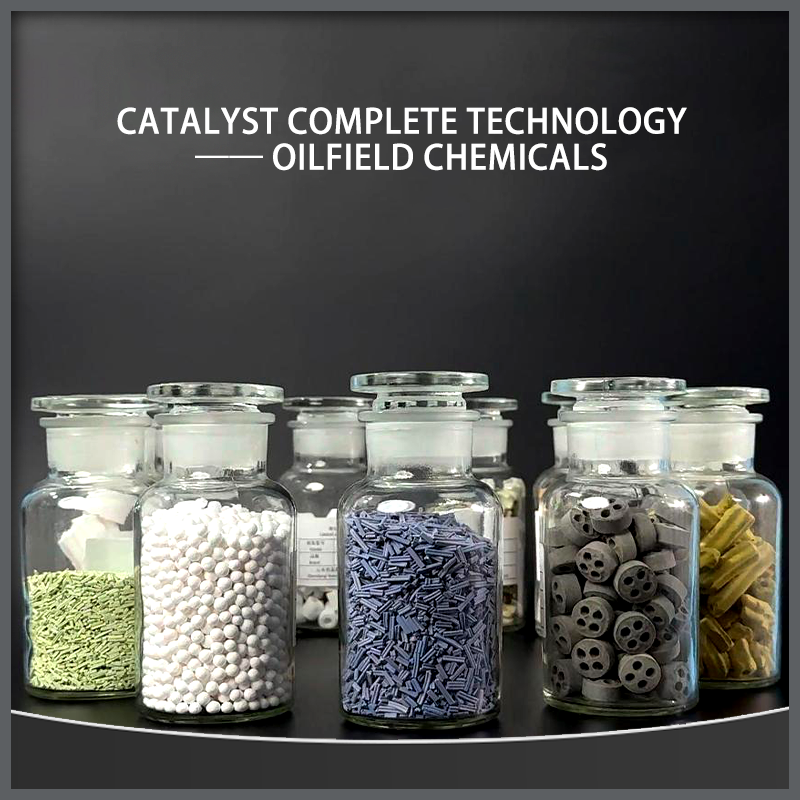
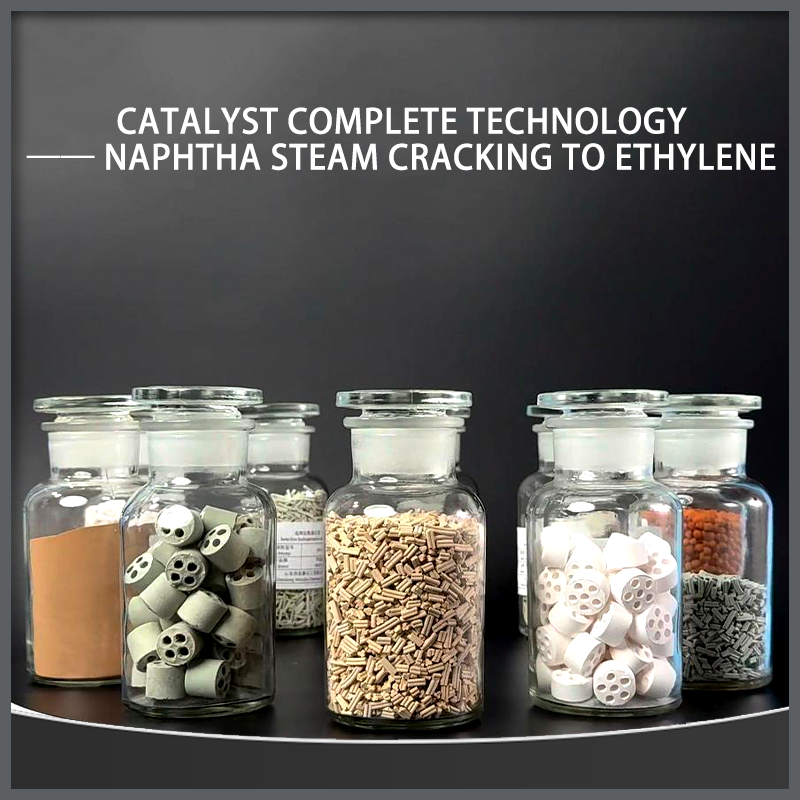
Catalyst complete technology—— Naphtha steam cracking to ethylene
1.Titanium-based polyester catalyst
Product Introduction
Antimony-based catalysts are currently the most commonly used catalysts in the polyester industry. However, antimony is a heavy metal element and is subject to usage restrictions in many countries and regions, including the European Union, the United States, and Japan. Titanium-based polyester catalysts are environmentally friendly, highly active, and low-cost, making them the most promising non-heavy metal alternatives to antimony-based catalysts.
STiC-01 titanium-based PET polyester catalyst
STiC-01 is an environmentally friendly titanium-based polyester catalyst primarily used in the production of fiber-grade and film-grade polyester chips. Its key features are as follows:
Liquid, hydrolysis-resistant, and miscible with ethylene glycol;
Low catalyst dosage, with no more than 5 ppm titanium based on the weight of PET;
Suitable for three- and five-reactor polyester production lines, with flexible addition methods, allowing it to be added during slurry preparation or before the prepolymerization reactor;
Catalyst activity is minimally affected by matting agents, resulting in polyester chips with excellent hue and high L values.
STiC-B1 titanium-based PET polyester catalyst
STiC-B1 is a titanium-based catalyst suitable for the production of hot-fill bottle-grade chips, water bottle chips, and sheet materials. Its key features include:
Liquid form, hydrolysis resistance, and miscibility with ethylene glycol;
Its solid-phase polycondensation rate is high;
The resulting preforms have low acetaldehyde content, color values comparable to those of antimony-based materials, and excellent thermal stability.
STiC-T1 titanium-based PTT polyester catalyst
It exhibits high catalytic activity. Pilot production of both bright and semi-bright PTT products has been conducted on a 1,000-ton polymerization unit, with the PTT intrinsic viscosity exceeding 1.0 d/g.
The performance of composite yarns produced using this raw material is comparable to that of imported raw materials.
SHRC-01 hydrolysis-resistant PBT catalyst
This catalyst exhibits excellent hydrolysis resistance, being miscible with water at 90°C and stable for over 24 hours. This solves the problem of conventional n-butyl titanate (TBT) catalysts, which hydrolyzes in water to form precipitates, leading to scaling in pipes, impeded heat transfer, and the need for production stoppages for cleanup. The viscosity and hue of PBT chips produced in industrial trials are comparable to those using TBT.

2.Catalyst: Complete technology for polyether polyols
Product Introduction
Polyether polyols are primarily used as raw materials for polyurethane products and are widely used in automotive seating, furniture, insulation materials, coatings, adhesives, and other fields. We possess the formulation and production technology for polyether products, including flexible foam, rigid foam, case foam, polymer polyols, and specialty polyethers.
Polymer polyether polyol (POP) is a modified polyether polyol with unique properties. It is prepared by grafting polyether polyols with acrylonitrile (AN) and styrene (St). It is a blend consisting of polyether polyols, graft polyols, and copolymers or self-polymers of vinyl monomers such as acrylonitrile and styrene.
SPEO-1 Multi-metal Polyether Polyol Catalyst
MMC catalyst has high activity and low dosage. The prepared polyether polyols do not require post-treatment and have low unsaturation. Specific parameters are shown in the table below:
Request a Quote
Related Recommendations